
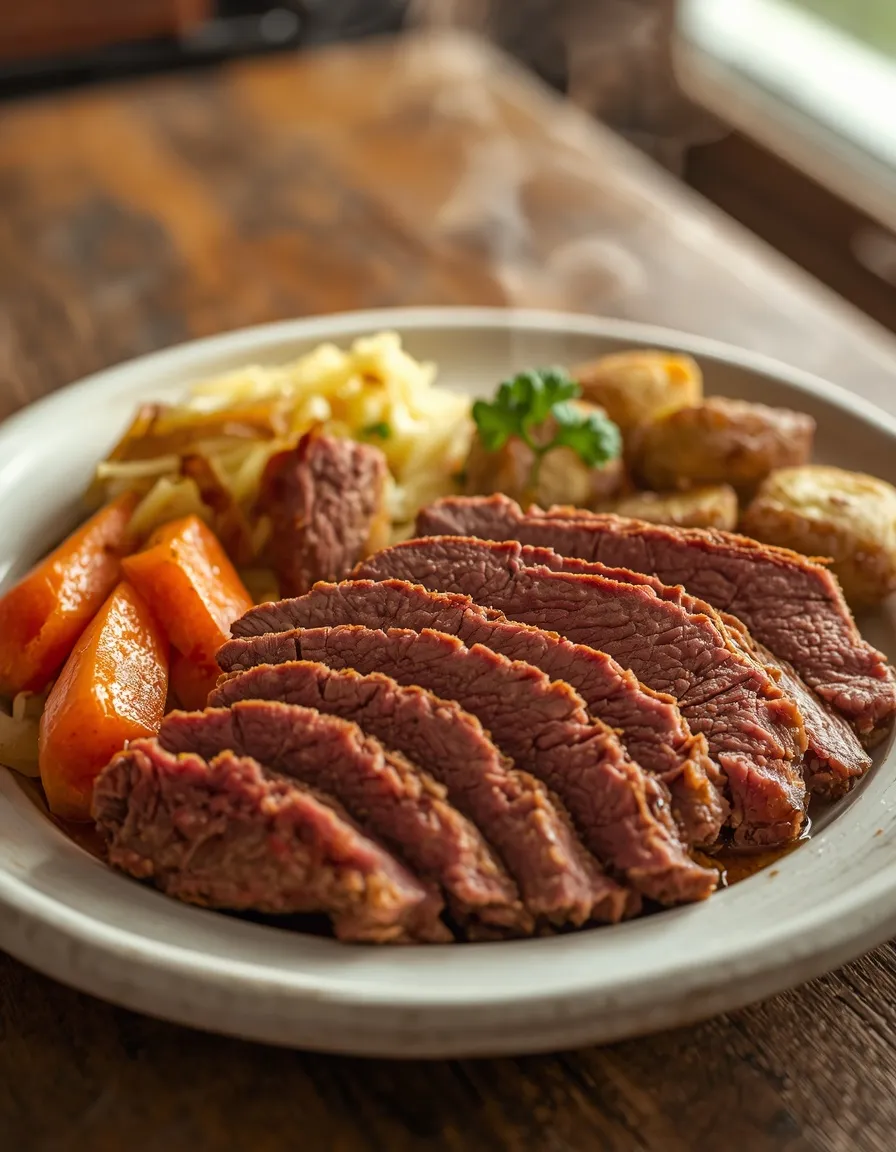
How to Make Corned Beef: 4 Easy Ways to Cook It
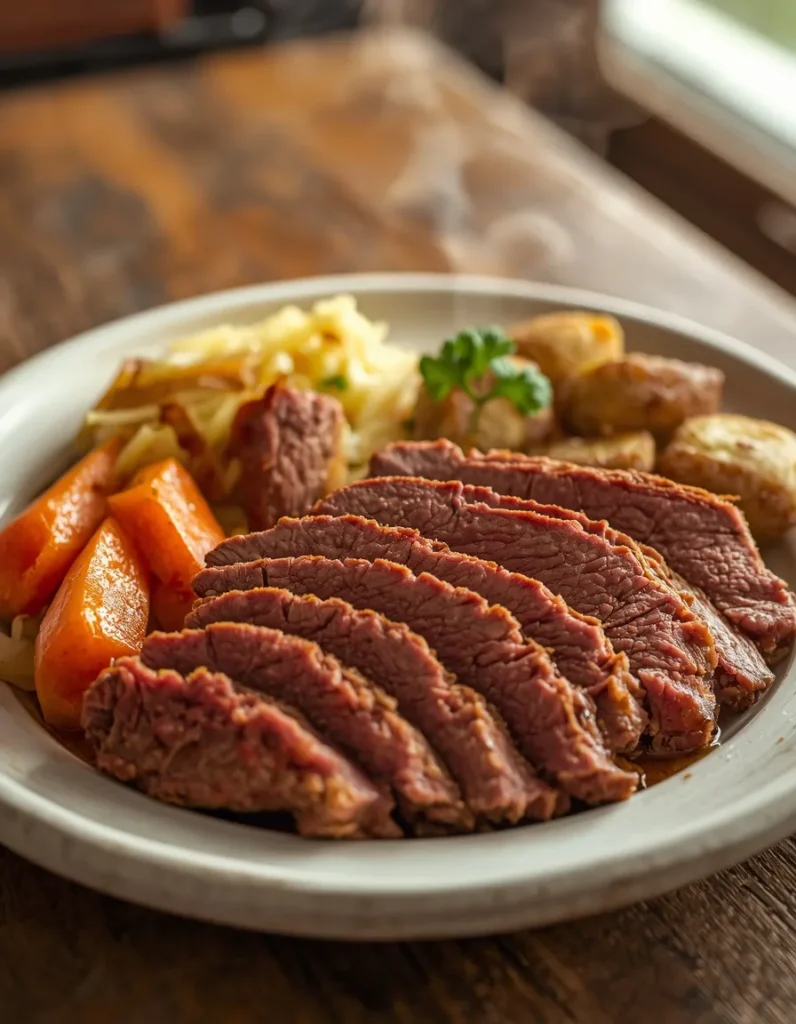
Table of Contents
How to Make Corned Beef From Scratch (Four Ways to Cook It)
Every March, grocery stores stack their shelves with shrink-wrapped corned beef, and most of it tastes like salt and not much else. Making it at home is easier than you’d think, and the flavor is on another level. The only catch is patience. You’ll need about ten days in the refrigerator, so this is a project to plan ahead for.
Every March, grocery stores stack their shelves with shrink-wrapped corned beef, and most of it tastes like salt and not much else. Making it at home is easier than you’d think, and the flavor is on another level. If you’re looking for a simpler version, try our Corned Beef Recipe for a delicious way to enjoy this classic beef favorite. The only catch is patience. You’ll need about ten days in the refrigerator, so this is a project to plan ahead for.
Why Is It Called “Corned” Beef?
There’s no corn involved. Before refrigeration, cooks preserved meat by packing it in barrels with coarse salt crystals about the size of corn kernels, and “corning” was the name for that process. The name stuck long after the barrels disappeared.
Today, corned beef is a St. Patrick’s Day tradition and a deli sandwich staple. Homemade gives you the best of both, plus control over the salt and spices.
The Ingredients That Matter Most
Kosher Salt: Weigh It, Don’t Scoop It
Kosher salt varies by brand, and that trips up a lot of home cooks. One teaspoon of Diamond Crystal weighs about 3 grams, while a teaspoon of Morton weighs roughly 5 grams. Swap one for the other by volume and your brine could end up far too salty or far too bland.
The fix is to go by weight. Three grams of salt gives the same salinity whether it’s fine flakes or chunky crystals. This recipe uses Morton’s kosher salt, where 1 cup equals 241 grams. Its uniform, coarse granules are easy to pinch, which is why I prefer it.
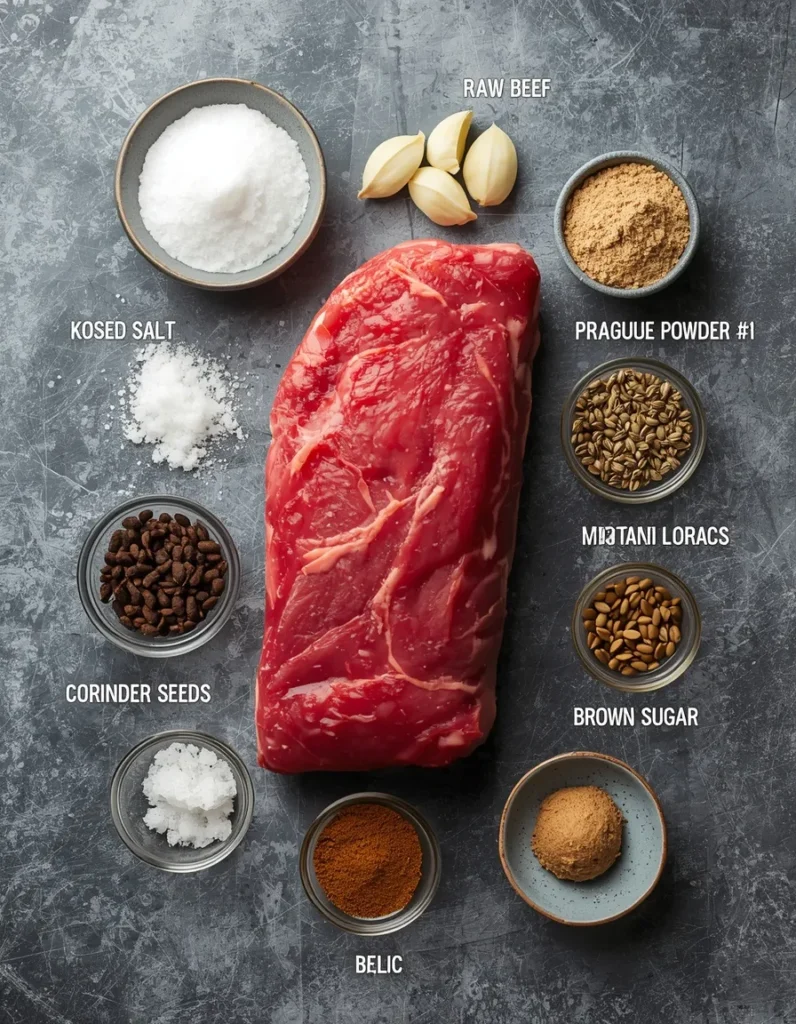
Pink Curing Salt (Prague Powder #1)
This is the ingredient that makes corned beef taste like corned beef. Prague Powder #1 is 6.25% sodium nitrite and 93.75% sodium chloride. It prevents bacterial spoilage during the long cure and gives the meat its rosy color and classic flavor.
It’s dyed pink so nobody mistakes it for table salt. It is not Himalayan pink salt, so don’t grab that by accident. The ratio is 1 level teaspoon per 5 pounds of meat. Measure carefully and don’t eyeball it.
Two notes on alternatives:
- Morton Tender Quick can replace both the kosher salt and the pink salt. Use 1 cup (250 g) in place of both.
- Skipping the cure is possible, but the meat will turn gray instead of pink and taste more like pickled beef.
Choosing Your Brisket
Buy a whole beef brisket if you can. It includes both the marbled point cut and the leaner flat cut, so you get richness and clean slices from a single piece of meat.
The 10-Day Brine
You’ll need:
- 1 gallon (4 quarts) water
- 1 cup Morton’s kosher salt
- ½ cup packed brown sugar
- ⅓ cup pickling spice blend
- 1 tsp pink curing salt
- 4 garlic cloves, minced
Steps:
- Dissolve. Combine everything in a large pot and bring to a boil until the solids dissolve. Then cool it completely. Pouring warm brine over raw meat is a food safety problem.
- Submerge. Put a 5-pound brisket in a large container or sealable bag and pour the cooled brine over it. The meat should be fully covered.
- Refrigerate. Cure for 5 to 10 days, flipping the brisket on day 5. Longer means deeper flavor and color.
- Discard the brine. Toss the liquid before cooking. Its job is done.
Four Ways to Cook Corned Beef
All four methods start with the same base: a 5 lb brined brisket, 4 cups water or beef broth, 1 tbsp pickling spice, 3 large carrots (peeled, cut into 2-inch pieces), 1 lb halved small red potatoes, and 1 head of green cabbage, quartered.
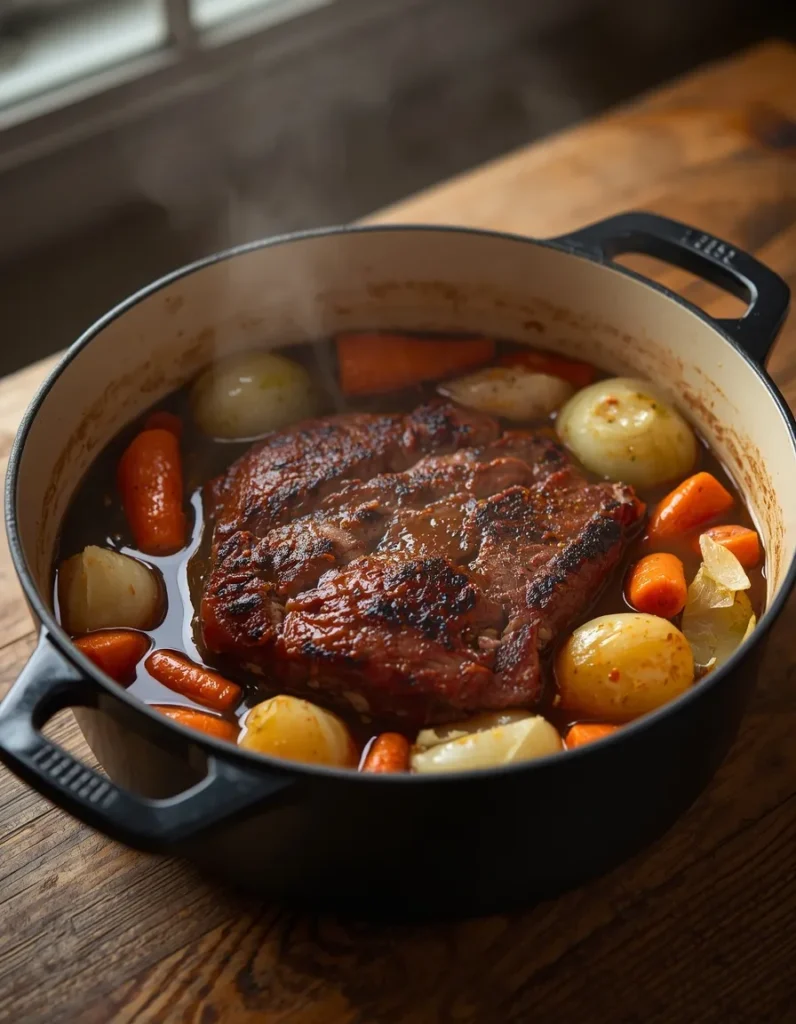
Stovetop or Dutch oven. Put the brisket in a Dutch oven with the broth and spice. Bring to a boil, cover, and simmer for about 3½ hours, until the internal temperature reaches 190 to 200°F. Add the potatoes, carrots, and cabbage for the last 30 to 40 minutes. Rest under foil for 15 to 20 minutes.
Oven braised. Preheat to 350°F. Put the brisket, broth, and spice in a covered Dutch oven or foil-covered roasting pan. Bake 3½ to 4 hours until tender (190 to 200°F), adding vegetables in the final 30 to 40 minutes. Then rest 15 to 20 minutes.
Instant Pot or pressure cooker. Set the brisket fat-side up on a rack with the broth and spice. Cook on high pressure for 90 minutes, then do a natural release. Wrap the meat in foil to rest. Cook the vegetables in the leftover liquid on high pressure for 3 minutes, followed by a quick release.
Slow cooker. Add the brisket, broth, and spice. Cook on low for 8 to 10 hours, or high for 4 to 5. Add carrots and potatoes halfway through and the cabbage in the final 2 hours. Rest under foil for 15 to 20 minutes.
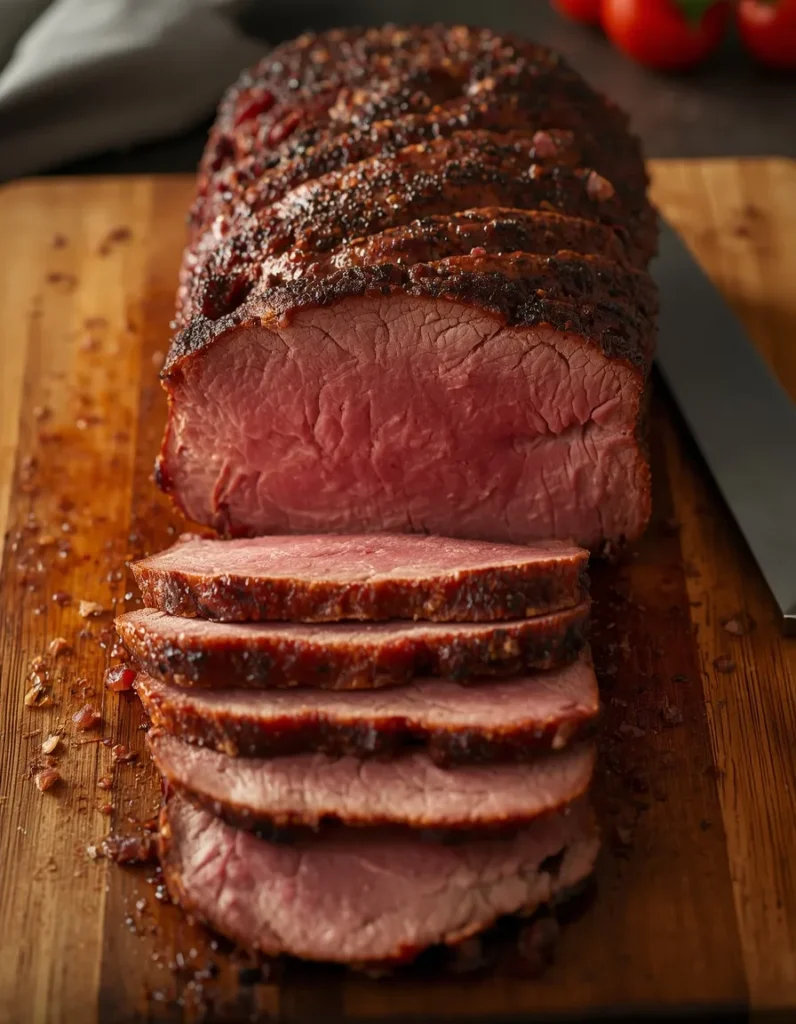
The Golden Rule of Slicing
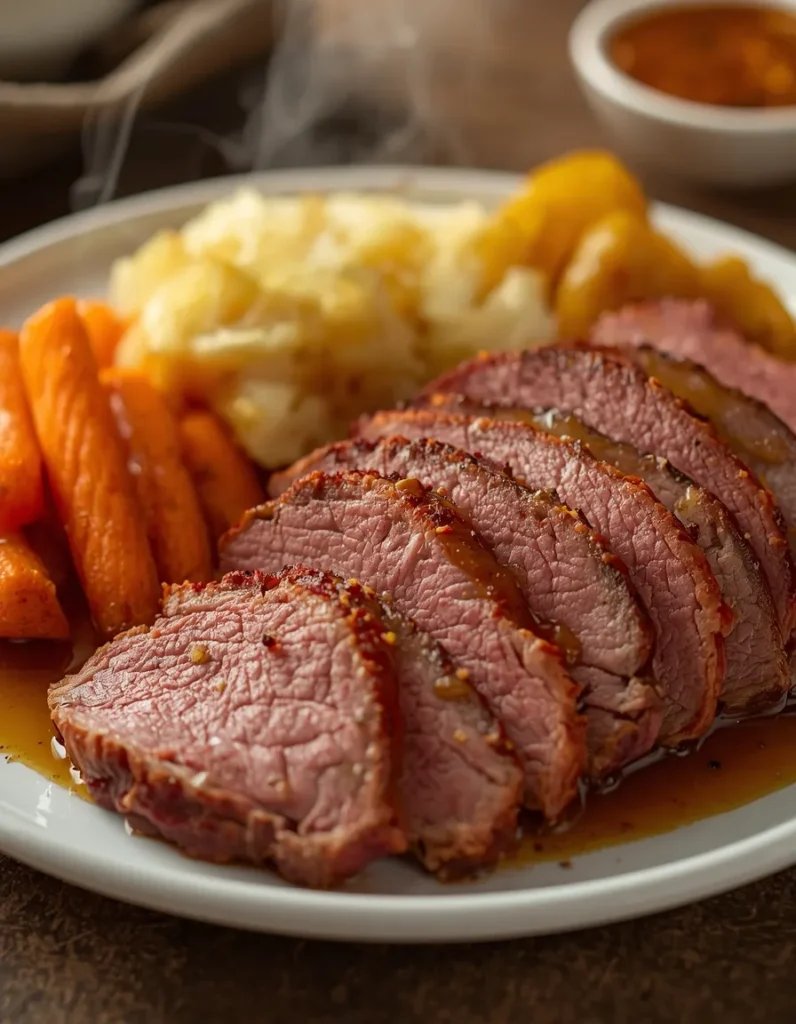
Always cut across the grain, in slices 1/8 to 1/4 inch thick. Slicing with the grain leaves you with stringy, chewy meat, even if you cooked it perfectly. That one habit makes the biggest difference at the table.
Every March, grocery stores stack their shelves with shrink-wrapped corned beef, and most of it tastes like salt and not much else. Making it at home is easier than you’d think, and the flavor is on another level. For additional guidance on preparing homemade corned beef and the traditional brining process, see this How to Make Corned Beef guide from Kevin Is Cooking. The only catch is patience. You’ll need about ten days in the refrigerator, so this is a project to plan ahead for.
Freezing and Cooking Bigger Cuts
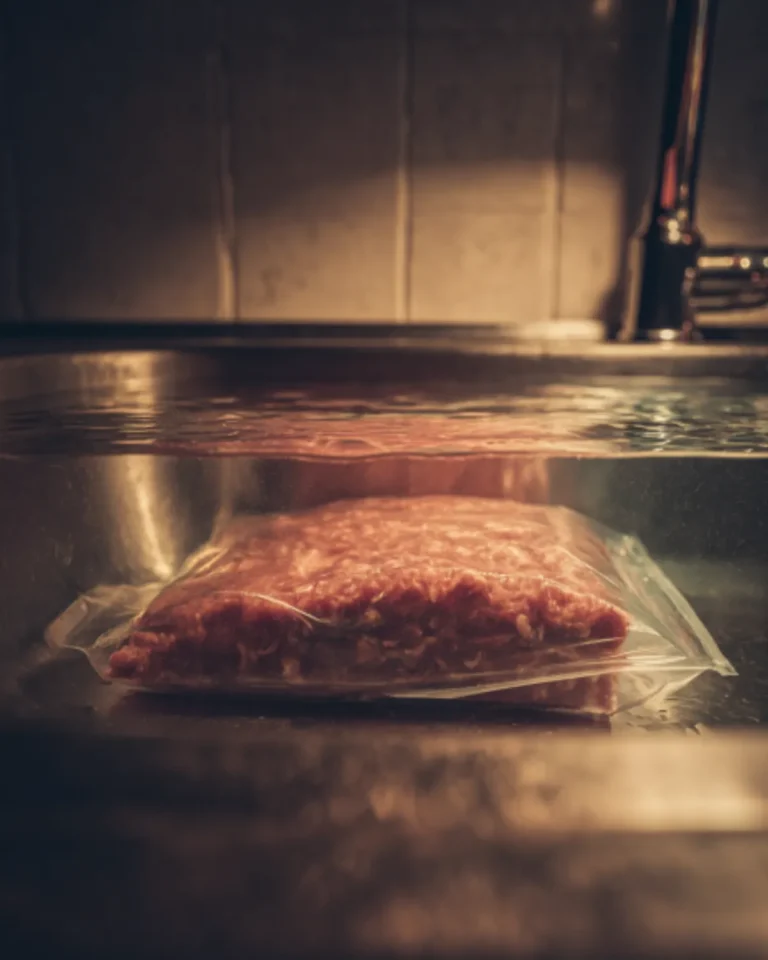
Can you freeze it? Yes. Vacuum-seal the brined, uncooked corned beef and freeze it, with or without brine, to cook later.
Cooking a 7 lb brisket? Roast it covered at 300°F with liquid for 3½ to 4½ hours (roughly 45 to 50 minutes per pound) until it hits 195 to 205°F. For a browned top, uncover and finish at 425°F for 20 to 30 minutes.
Pressure cooking a 6 lb cut? Add 5 minutes to the high-pressure time.
Ready to Start Your Brine?
Once you’ve tasted homemade corned beef, the store-bought kind is hard to go back to. Start the brine about ten days before you want to eat, and by the time the cabbage is tender you’ll have the best corned beef you’ve ever made.



One Comment