Red Meats Guide: 7 Helpful Types Compared
Table of Contents
Red Meats Guide
Red meats can feel simple at first. Most of us picture a juicy steak, a pot roast, or a burger sizzling in a skillet. However, the category reaches much further than beef. Red meats include beef, pork, lamb, veal, goat, venison, bison, and mutton because they come from mammals and contain higher levels of myoglobin than poultry or fish. That protein gives raw meat its darker color and deeper flavor. In this guide, you’ll learn what counts as red meat, how the most common types compare, which cuts fit different cooking methods, and how to choose red meats for balanced, flavorful meals.
What Are Red Meats?
I still remember standing in my family kitchen as a kid while a pot roast filled the house with that deep, savory smell that meant dinner would feel special. My family didn’t talk about “red meats” in a technical way. We just knew that beef stew, pork chops, lamb on holidays, and slow-cooked roasts brought everyone to the table. Later, when I started cooking more seriously, I realized many home cooks ask the same question: what actually counts as red meat?
Red meats come from mammals. That means beef, pork, lamb, veal, goat, venison, bison, and mutton all belong in the red meat category. Although pork often looks pale after cooking, it still counts as red meat because it comes from a mammal and contains more myoglobin than chicken or fish. So, when someone asks whether pork counts, the clear answer is yes.
Myoglobin matters because it stores oxygen in muscle tissue. More myoglobin usually means a deeper red color before cooking and a richer flavor after cooking. Beef and lamb often look darker than pork, while venison and bison can look especially deep because they come from active animals with lean muscle.
Red meats also vary by age and species. Veal comes from young cattle, so it tastes milder and feels more tender than mature beef. Lamb comes from young sheep, while mutton comes from older sheep and tastes stronger. Bison resembles beef but usually tastes leaner and slightly sweeter. Venison has a deep, earthy flavor and often needs careful cooking because it contains less fat.
For practical cooking, think of red meats as a broad family rather than one single ingredient. Beef gives you hearty comfort food. Pork offers mild flavor and flexibility. Lamb adds richness. Game meats bring bold character. If you enjoy cozy beef dinners, recipes like slow cooker beef stew and beef barley soup show how red meats can turn simple ingredients into a satisfying meal.
| Red Meat Type | Common Cuts | Flavor Profile | Best Cooking Methods |
|---|---|---|---|
| Beef | Chuck, sirloin, ribeye, brisket, ground beef | Bold, rich, savory | Grilling, roasting, braising, slow cooking |
| Pork | Chops, loin, shoulder, ribs, tenderloin | Mild, slightly sweet, savory | Roasting, pan-searing, smoking, slow cooking |
| Lamb | Chops, leg, shoulder, shanks, ground lamb | Earthy, rich, tender | Grilling, roasting, braising |
| Venison | Steaks, roasts, ground venison, stew meat | Lean, deep, earthy | Quick searing, stewing, chili, braising |
Beef, Pork, Lamb, and Other Red Meats Compared
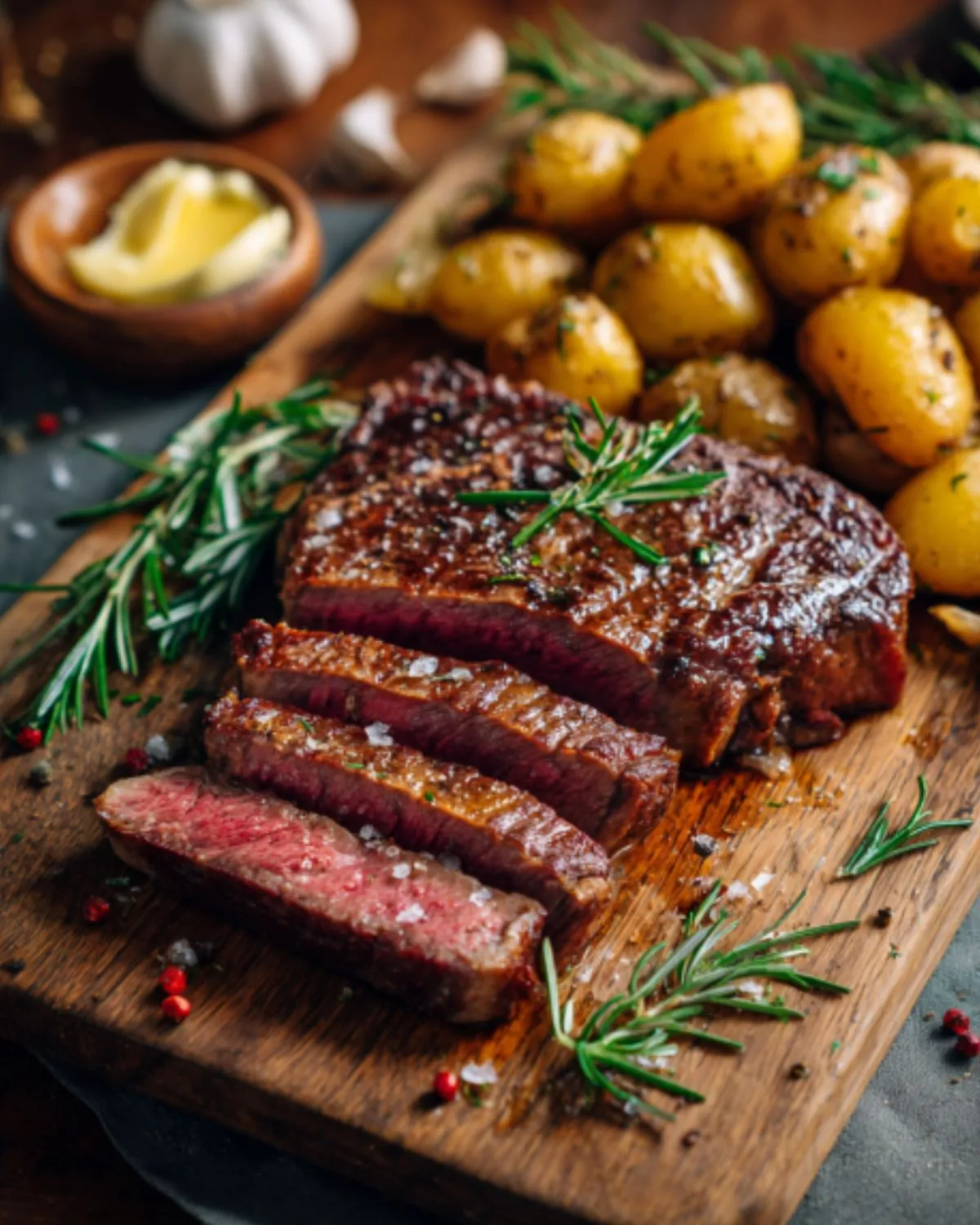
Beef remains the most familiar red meat in American kitchens. It offers a wide range of cuts, prices, textures, and cooking methods. Tender cuts like ribeye, strip steak, sirloin, and tenderloin cook quickly over high heat. Tougher cuts like chuck roast, brisket, short ribs, and shank need moisture, time, and low heat. Because beef contains strong savory flavor, it works well with garlic, onions, pepper, mushrooms, potatoes, tomatoes, and bold herbs.
Ground beef also gives home cooks one of the easiest ways to use red meats. You can shape it into burgers, simmer it in chili, fold it into casseroles, or serve it in taco bowls. If you want a simple dinner idea, a burger bowl gives you the flavor of a classic burger with a lighter, customizable plate. For a heartier comfort meal, chuck roast chili uses slow cooking to bring out deep flavor.
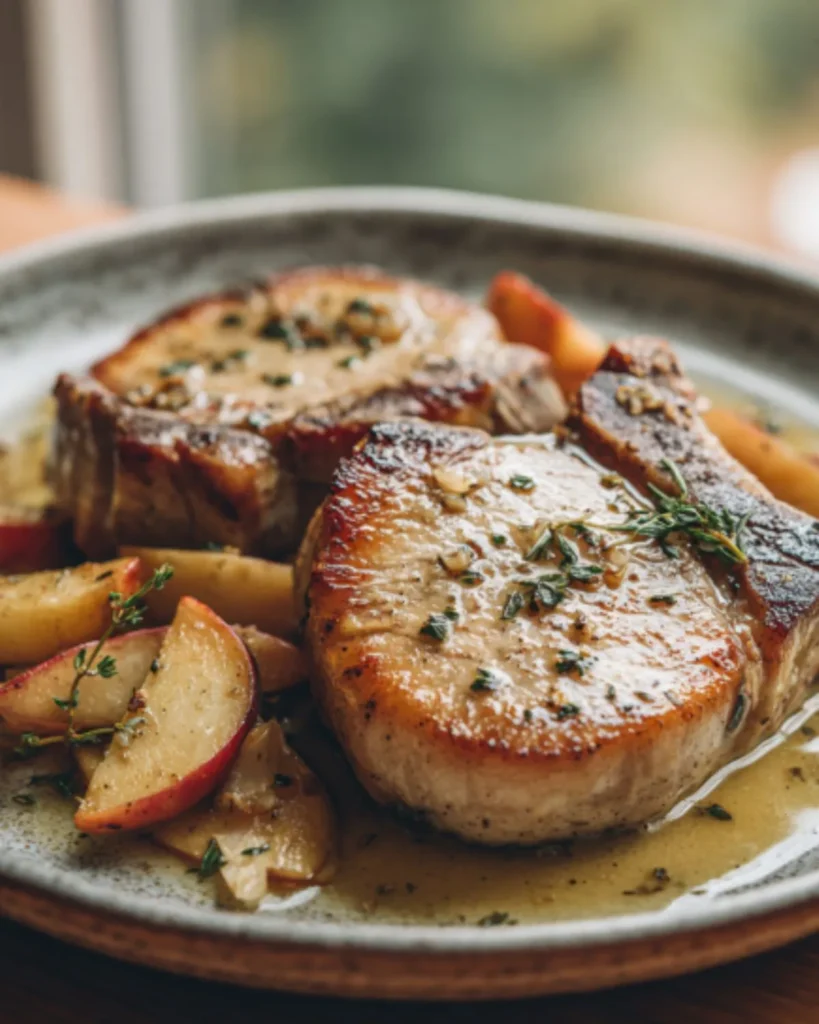
Pork sits in a different lane. It counts as red meat, yet it tastes milder than beef or lamb. That makes pork especially flexible. Pork chops cook quickly, pork tenderloin stays lean and tender, and pork shoulder becomes soft and shreddable when you cook it low and slow. Pork pairs well with sweet, tangy, smoky, and spicy flavors. Apples, mustard, barbecue sauce, garlic, rosemary, cabbage, beans, and potatoes all complement it.
Lamb brings a richer and more distinct taste. Some people love its earthy flavor right away, while others prefer to start with milder cuts like lamb chops or ground lamb. Lamb loves bold seasonings. Rosemary, mint, cumin, coriander, garlic, lemon, oregano, and yogurt-based marinades all balance its richness. Lamb shoulder and shanks need slow cooking, while lamb chops cook quickly.
Veal tastes more delicate than beef because it comes from young cattle. It works well in cutlets, stews, and pan-seared dishes. Goat tastes lean and savory, and many cuisines use it in curries, stews, and slow-cooked dishes. Mutton tastes stronger than lamb, so it benefits from braising and bold spices.
Bison and venison have grown more popular with home cooks who want leaner red meats. Bison tastes similar to beef but usually contains less fat. Venison tastes deeper and more gamey. Since both dry out quickly, cooks should avoid overcooking them. Marinades, added fat, and quick cooking help protect tenderness.
How to Choose the Right Red Meat for Your Meal
Choosing red meats becomes much easier when you start with the cooking method. If you want to grill, choose tender cuts. Steaks, lamb chops, pork chops, bison steaks, and tenderloin all handle direct heat well. If you want to slow cook, choose tougher cuts. Chuck roast, brisket, pork shoulder, lamb shanks, short ribs, and stew meat need time to soften. During slow cooking, collagen breaks down and creates a tender, rich texture.
For soups and stews, beef often works best because it brings strong flavor to broth. Chuck, stew meat, short ribs, and shank add body to the pot. That’s why dishes like slow cooker beef stew taste so comforting. The meat, vegetables, and broth cook together until everything tastes connected.
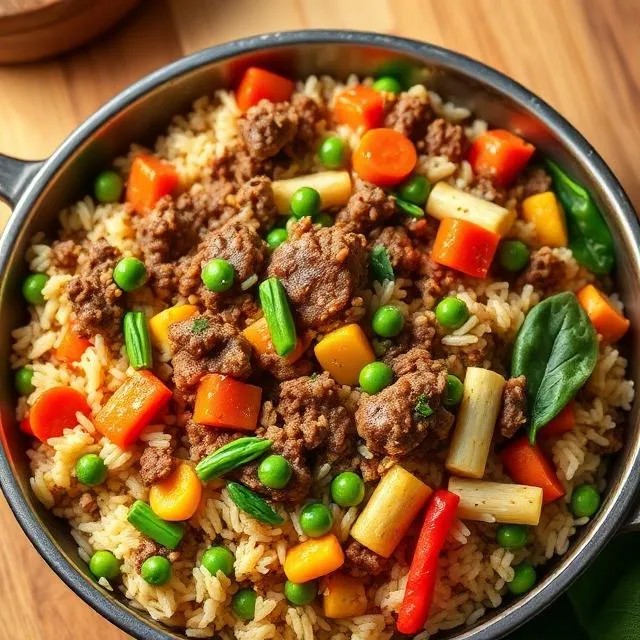
For quick weeknight meals, ground red meats help a lot. Ground beef, ground pork, ground lamb, and ground bison cook fast and absorb seasoning well. You can use them in tacos, pasta sauces, meatballs, burgers, stuffed peppers, rice bowls, and skillet dinners. If you want a cozy one-pot option, chili mac shows how ground beef can stretch into a filling family meal.
For special dinners, choose cuts that feel impressive but still fit your skill level. A roast looks beautiful on the table, but it needs timing. Steaks cook quickly, but they need attention. Lamb chops feel elegant, yet they cook in minutes. Pork tenderloin offers a nice middle ground because it tastes mild, cooks fast, and slices neatly.
Also consider fat content. Fat adds flavor and moisture, but too much can make a dish heavy. Lean cuts like tenderloin, sirloin, pork loin, bison, and venison work well when you want a lighter meal. Rich cuts like ribeye, short ribs, pork shoulder, and brisket suit comfort food and slow cooking.
Seasoning should match the meat. Beef handles salt, pepper, garlic, onion, paprika, thyme, and Worcestershire-style flavors. Pork loves mustard, sage, rosemary, maple, chili powder, and vinegar-based sauces. Lamb tastes great with rosemary, mint, cumin, lemon, and garlic. Venison benefits from juniper, black pepper, red wine-style marinades, mushrooms, and herbs.

Nutrition, Safety, and Smart Red Meat Habits
Red meats provide important nutrients. They offer complete protein, iron, zinc, selenium, and vitamin B12. These nutrients support muscle maintenance, energy, and normal body function. Red meats also contain heme iron, which the body absorbs more easily than non-heme iron from plant foods.
However, balance matters. Many nutrition experts recommend choosing leaner cuts more often, watching portion sizes, and limiting processed red meats. Fresh beef, pork, lamb, venison, and bison differ from processed meats like bacon, sausage, hot dogs, salami, and some deli meats. Processed meats often contain more sodium, added preservatives, and saturated fat. If your readers want a deeper comparison, your processed meats guide and healthy meats guide fit naturally as next reads.
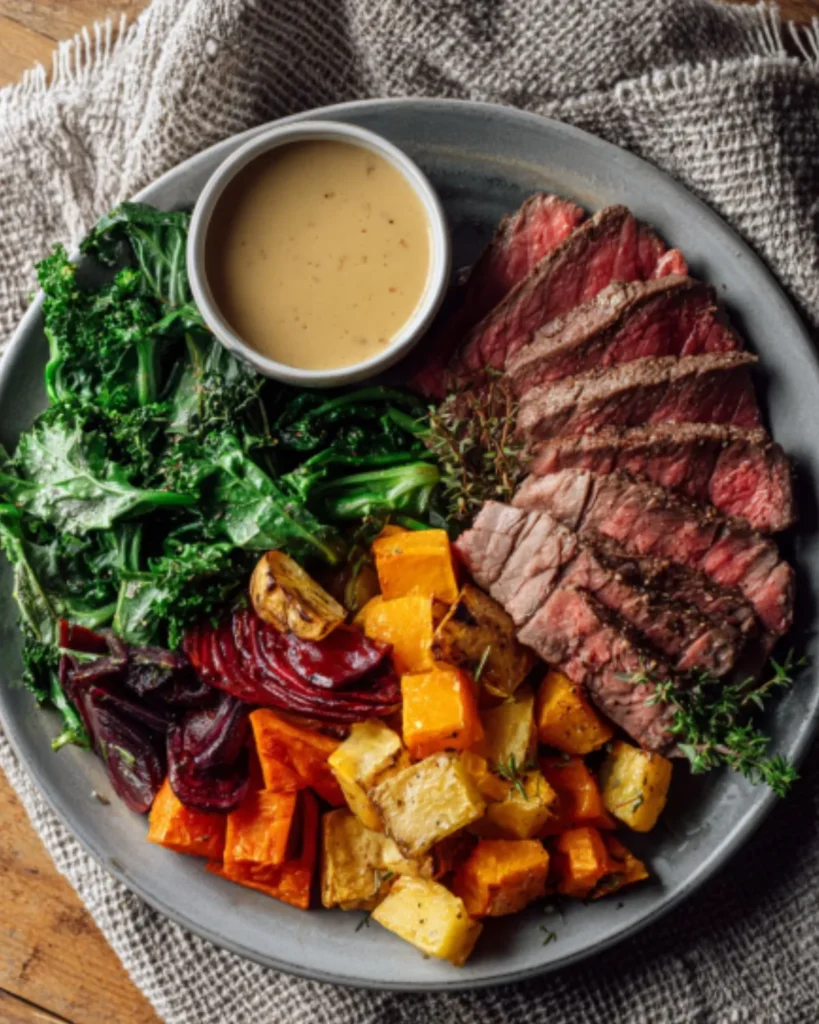
A practical serving of cooked red meat usually lands around 3 to 4 ounces, or about the size of a deck of cards. You can make that portion feel satisfying by adding vegetables, potatoes, beans, whole grains, or salads. For example, serve steak with roasted vegetables, pair pork tenderloin with a crisp slaw, or spoon beef stew over a modest portion of potatoes.
Food safety also matters. Store raw red meats in the refrigerator and cook them within a safe time frame. Keep raw meat away from ready-to-eat foods. Wash hands, cutting boards, and utensils after handling raw meat. Use a meat thermometer when possible because color alone does not always prove doneness.
Resting meat after cooking improves texture. When you pull steak, pork chops, lamb chops, or roasts from the heat, let them sit before slicing. This short rest helps juices settle, so each bite tastes better. Also, slice across the grain when possible. That one habit can make tougher red meats feel more tender.
FAQ
What meats count as red meats?
Red meats include beef, pork, lamb, veal, goat, venison, bison, and mutton. These meats come from mammals and contain more myoglobin than poultry or fish. Because of that, they usually look darker before cooking and taste richer after cooking.
Is pork considered red meat or white meat?
Pork counts as red meat. Although cooked pork often looks lighter than beef or lamb, it still comes from a mammal and contains more myoglobin than chicken or turkey. So, from a nutrition and food science perspective, pork belongs with red meats.
What is the healthiest red meat?
The healthiest red meat choice depends on your needs, but lean cuts usually make the best everyday options. Sirloin, tenderloin, pork tenderloin, lean ground beef, bison, and venison can fit balanced meals when you serve moderate portions and pair them with vegetables or whole grains.
What is the difference between red meat and processed meat?
Red meat refers to fresh mammal meat such as beef, pork, lamb, or venison. Processed meat refers to meat that producers cure, smoke, salt, ferment, or preserve. Bacon, sausage, hot dogs, deli meats, and salami count as processed meats.
Conclusion
Red meats include more than steak. Beef, pork, lamb, veal, goat, venison, bison, and mutton all count because they come from mammals and contain higher levels of myoglobin. Each type brings its own flavor, texture, and best cooking method. Beef tastes bold and familiar. Pork tastes mild and flexible. Lamb tastes rich and earthy. Bison and venison taste lean and deep. Once you understand these differences, you can choose the right red meats for grilling, slow cooking, roasting, soups, stews, tacos, and simple weeknight dinners. For the best results, match the cut to the cooking method, season it well, cook it safely, and serve it with colorful sides that make the whole plate feel balanced.