Halal Meats Guide: 7 Easy U.S. Buying Tips
Table of Contents
Halal Meats: A Simple U.S. Buying Guide
Buying halal meats in the U.S. can feel confusing at first, especially when labels, certifications, butcher shops, and grocery options all look different. However, once you know what to check, shopping becomes much easier. This guide explains what halal meat means, where to buy it, how to read labels, and how to store it safely at home.
What Halal Meats Mean
Halal meats come from animals prepared according to Islamic dietary rules. For many shoppers, that means the animal type must be permitted, the slaughter process must follow halal requirements, and the meat must avoid cross-contamination with non-halal products.
In the U.S., you’ll often see halal beef, chicken, lamb, goat, turkey, and sometimes deli-style products. Pork never qualifies as halal. Also, alcohol-based marinades or certain additives can make a prepared meat product unsuitable, even when the meat itself comes from a halal source.
For broader meat-buying context, pair this guide with your future Best Meats buyer guide and Healthy Meats guide so readers can compare quality, nutrition, and cooking use.
Where to Buy halal beef in the U.S.
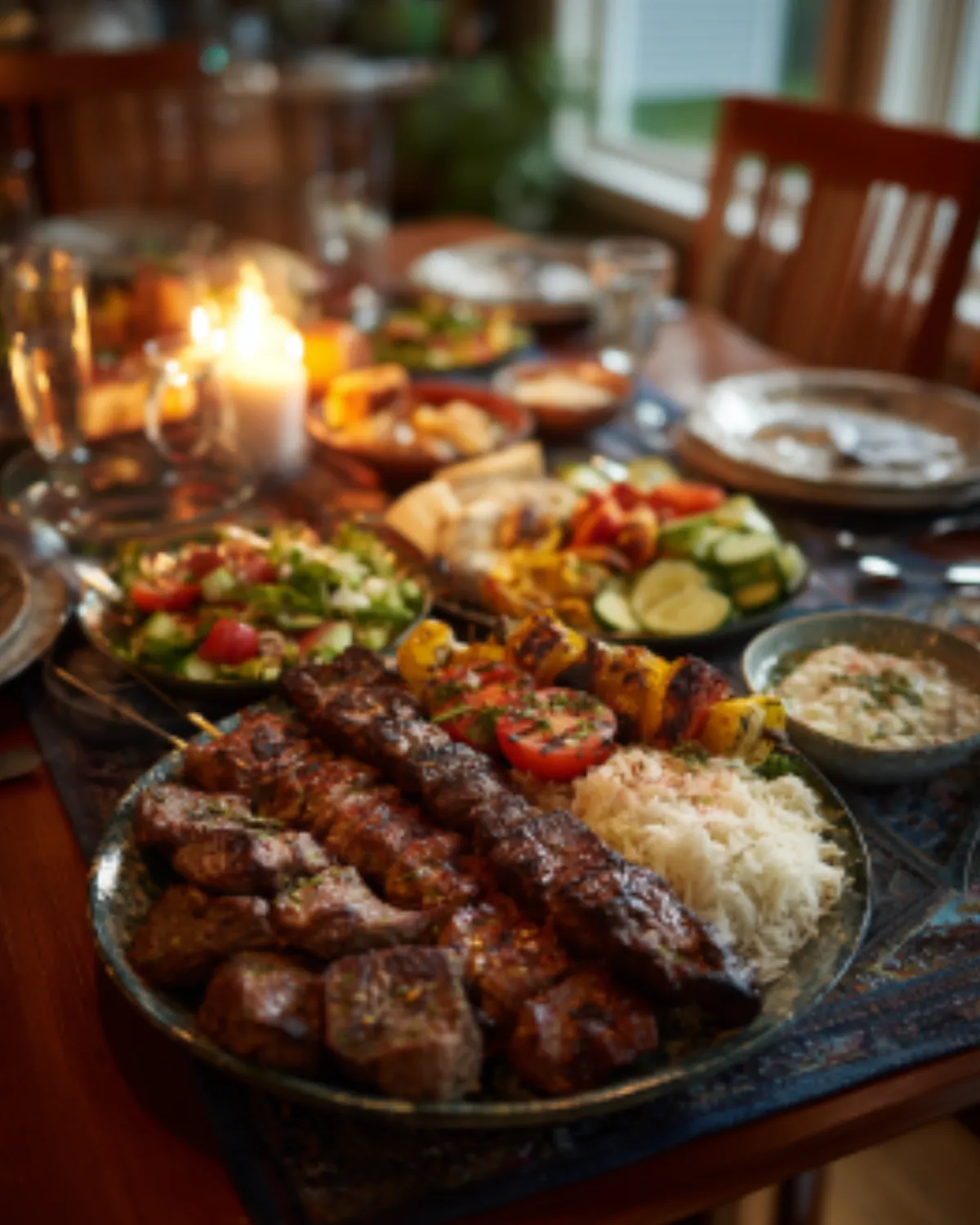
You can buy halal beef from several places. Halal butcher shops usually offer the clearest guidance because staff can explain sourcing and preparation. Many Middle Eastern, South Asian, African, and international grocery stores also carry halal meat.
Large supermarkets may carry halal chicken, ground beef, frozen kebabs, sausages, or deli-style items. However, shoppers should check the package carefully. Online meat delivery companies also sell halal meats, but buyers should review certification, shipping temperature, and return policies before ordering.
| Buying Option | Best For | What to Check |
|---|---|---|
| Halal butcher | Fresh cuts and custom orders | Supplier, handling, freshness |
| International grocery | Everyday halal staples | Label, date, storage temperature |
| Online delivery | Convenience and bulk buying | Certification, cold shipping, reviews |
How to Read Halal Meat Labels
Start with the halal mark. A package may say “halal,” but a trusted certification symbol gives shoppers more confidence. Then check the ingredient list. Seasoned meats, sausages, deli meats, and frozen meals may include flavorings, enzymes, gelatin, or processing aids that need extra attention.
Next, check the sell-by or use-by date. Fresh halal meats should look clean, smell fresh, and stay cold. Avoid packages with torn wrapping, excess liquid, or poor temperature control.
For processed products, connect readers to your future Processed Meats guide and Deli Meats guide because halal claims on prepared meats require closer label reading.

Fresh vs. Frozen certified meat
Fresh fresh meat work well when you plan to cook within one or two days. Frozen halal meats help with meal planning, bulk shopping, and budget control. Both can taste great when sellers handle them properly.
Choose fresh meat when you want steaks, chops, ground beef, or chicken for same-week meals. Choose frozen meat when you want convenience, less waste, or specialty cuts that local stores do not always carry.
Best Cuts to Buy First
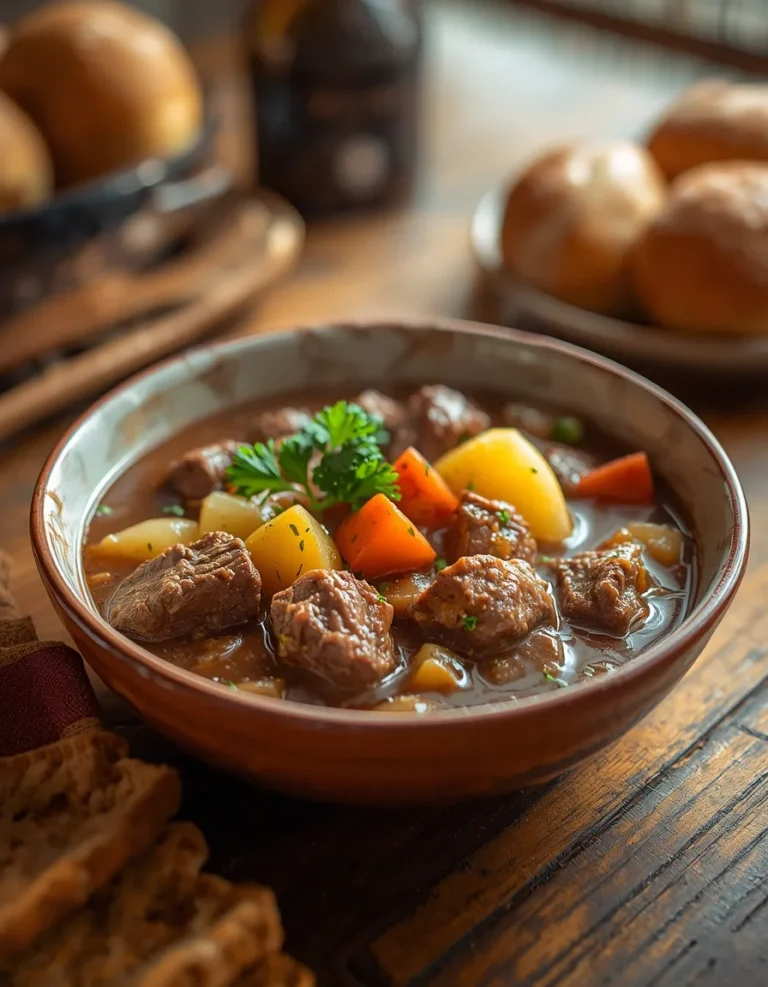
Beginners should start with simple, flexible cuts. Halal chicken thighs, chicken breast, ground beef, stew beef, lamb shoulder, and goat cubes work in many U.S. home kitchens. They fit weeknight dinners, rice bowls, soups, curries, tacos, grilled meals, and air fryer recipes.
For leaner meals, link naturally to your future Lean Meats guide. For protein-focused readers, your High Protein Meats guide will add strong topical support.
Food Safety Tips
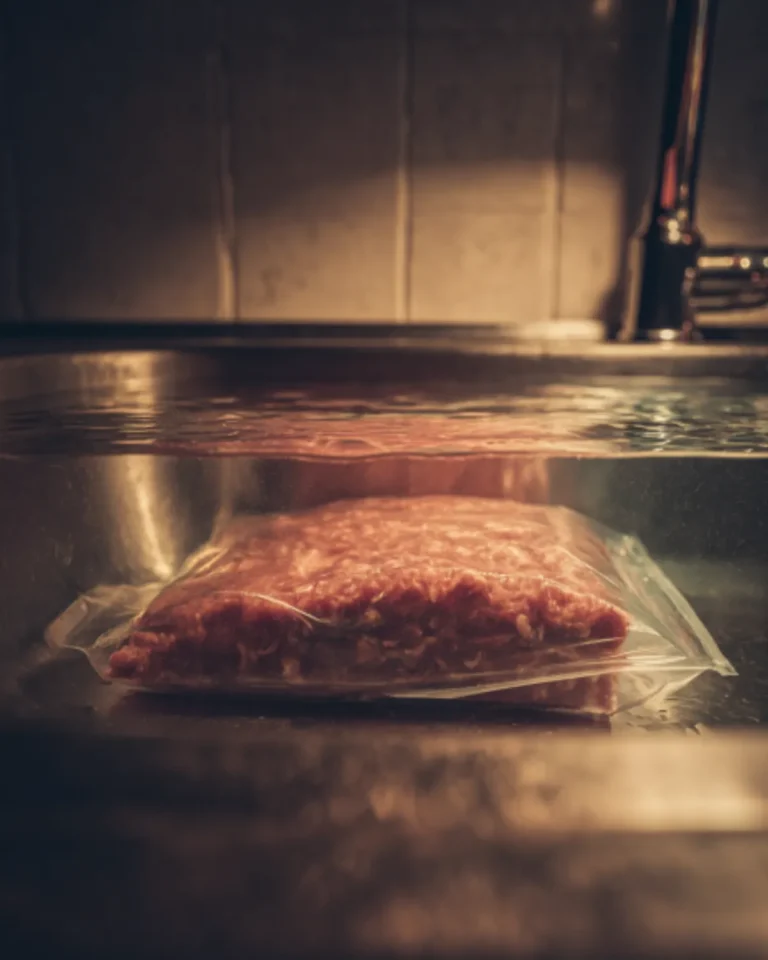
Keep approved meat products cold during the trip home. Refrigerate fresh meat quickly, and freeze anything you won’t cook soon. Store raw meat on the lowest refrigerator shelf to prevent drips. Use separate cutting boards for raw meat and ready-to-eat foods.
Cook poultry fully, and use a food thermometer for best results. Also, wash hands, knives, and counters after handling raw meat. These habits protect flavor, freshness, and safety.
FAQs About Halal Meats
Is halal meat available in regular U.S. grocery stores?
Yes, many U.S. grocery stores carry halal meats, especially chicken, ground beef, frozen items, and prepared products. However, selection varies by location.
Is halal meat the same as kosher meat?
No. Halal and kosher rules share some similarities, but they follow different religious standards and certification systems.
Can halal meat be organic or grass-fed?
Yes. A product can be halal and also organic, grass-fed, pasture-raised, or antibiotic-free when it meets both sets of requirements.
What should I ask a halal butcher?
Ask where the meat comes from, whether the supplier has certification, how the shop prevents cross-contamination, and which cuts work best for your recipe.
Conclusion
halal beef become easier to buy when you focus on three things: source, label, and handling. Start with trusted halal butchers or well-labeled grocery options, check certification when possible, and store meat safely once you get home. With a little practice, you can shop confidently and cook flavorful meals that fit your needs.