Ground Chicken Recipes: 10 Easy Meals That Aren’t Boring
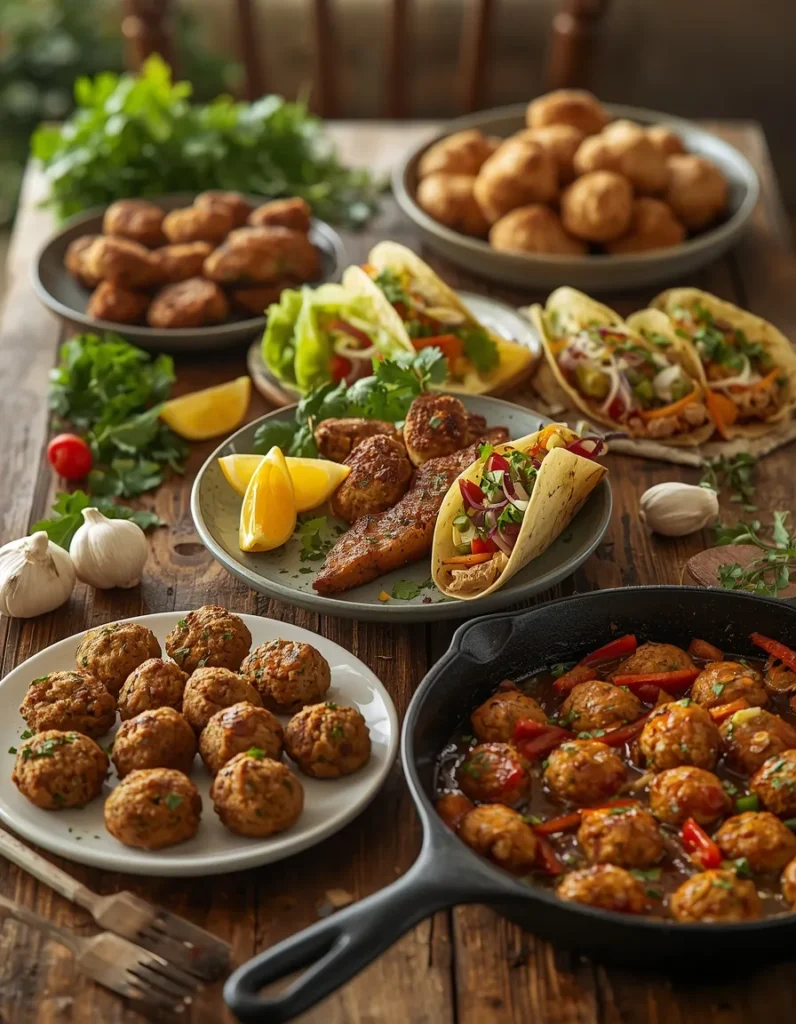
Table of Contents
The Ground Chicken Recipes Masterclass:
Ground chicken has a branding problem. Ask most home cooks what they think of it and you’ll get a shrug at best — it’s the mince people buy when they’re “being good,” not the one they actually crave. That’s a shame, because the issue was never the chicken. It’s that most of us have been handling it wrong.
Get the technique right, and chicken mince becomes one of the most versatile proteins in your fridge — lighter than beef, cheaper than chicken breast, and ready to soak up whatever flavor direction you point it in. Here’s how to actually cook it well, plus ten recipes to put that knowledge to work.
Ground chicken isn’t limited to burgers and meatballs. If you’re building a collection of lighter, protein-packed meals, you may also enjoy our Healthy Crab Cakes, another flavorful option for an easy homemade dinner
Choosing Your Meat Wisely
Not all supermarket chicken mince is created equal, and the packaging tells you more than the label does. Before it even hits your trolley, take a look at the tray. If there’s visible liquid pooling at the bottom or the mince looks glossy and swimming, put it back. That moisture is a sign the meat has been sitting, and it will only make your cooking harder — waterlogged mince means steamed patties instead of seared ones. Dry-looking packaging, by contrast, usually means fresher meat and a much better result once it hits the pan.
The Secret to Perfect Patty and Meatball Texture
Even good-quality chicken mince holds more moisture than beef or pork, simply because of how lean it is. There’s less fat to bind things together, so the extra water has nowhere to go. Left unchecked, that’s what causes meatballs to fall apart or patties to spread into puddles on the tray.
The fix is refreshingly simple: breadcrumbs. A slightly heavier hand than you’d use with beef mince — think a couple of extra tablespoons — gives the mixture something to grip onto, absorbing excess moisture and helping everything hold its shape through cooking. It’s a small adjustment, but it’s the difference between a rissole that stays intact and one that collapses the second it hits the pan.
If you’re looking for even more ways to turn this affordable ingredient into exciting meals, check out these chicken mince recipes for additional inspiration.
The Direct Substitution Framework
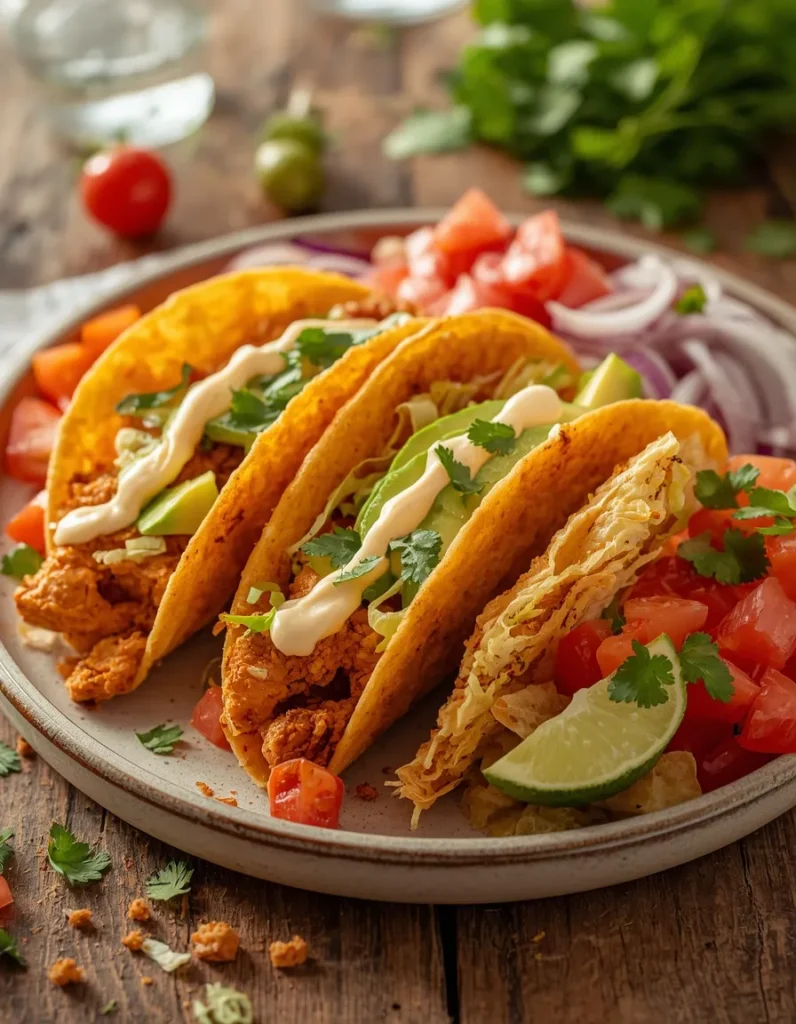
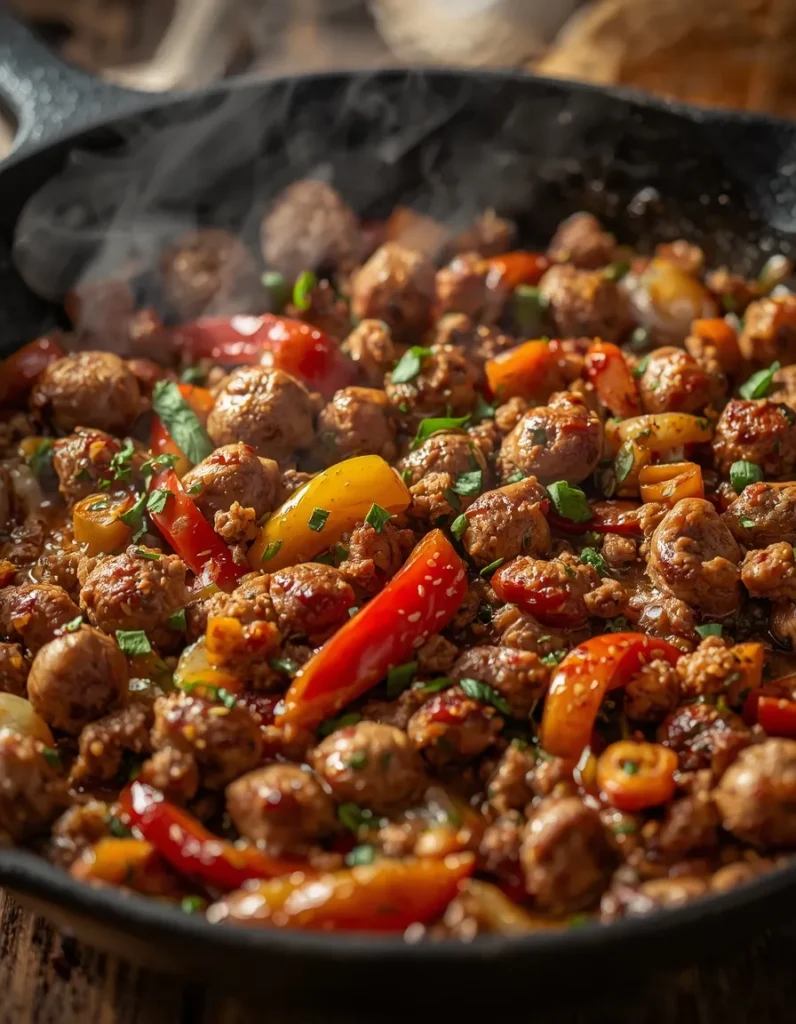
Here’s the part that makes chicken mince genuinely useful rather than just a diet swap: once you’ve corrected for texture, it can step directly into almost any recipe written for beef, lamb, or pork mince. Bolognese, stuffed peppers, shepherd’s pie, taco filling — the ratios barely need to change. You’re trading in fat and richness for a lighter, more neutral canvas that takes on sauces and spices beautifully. Keep that breadcrumb adjustment in mind and you can raid your existing recipe box without hunting down “chicken-specific” versions of everything.
Ten Recipes Worth Bookmarking
Once the fundamentals are sorted, the flavor possibilities open right up.
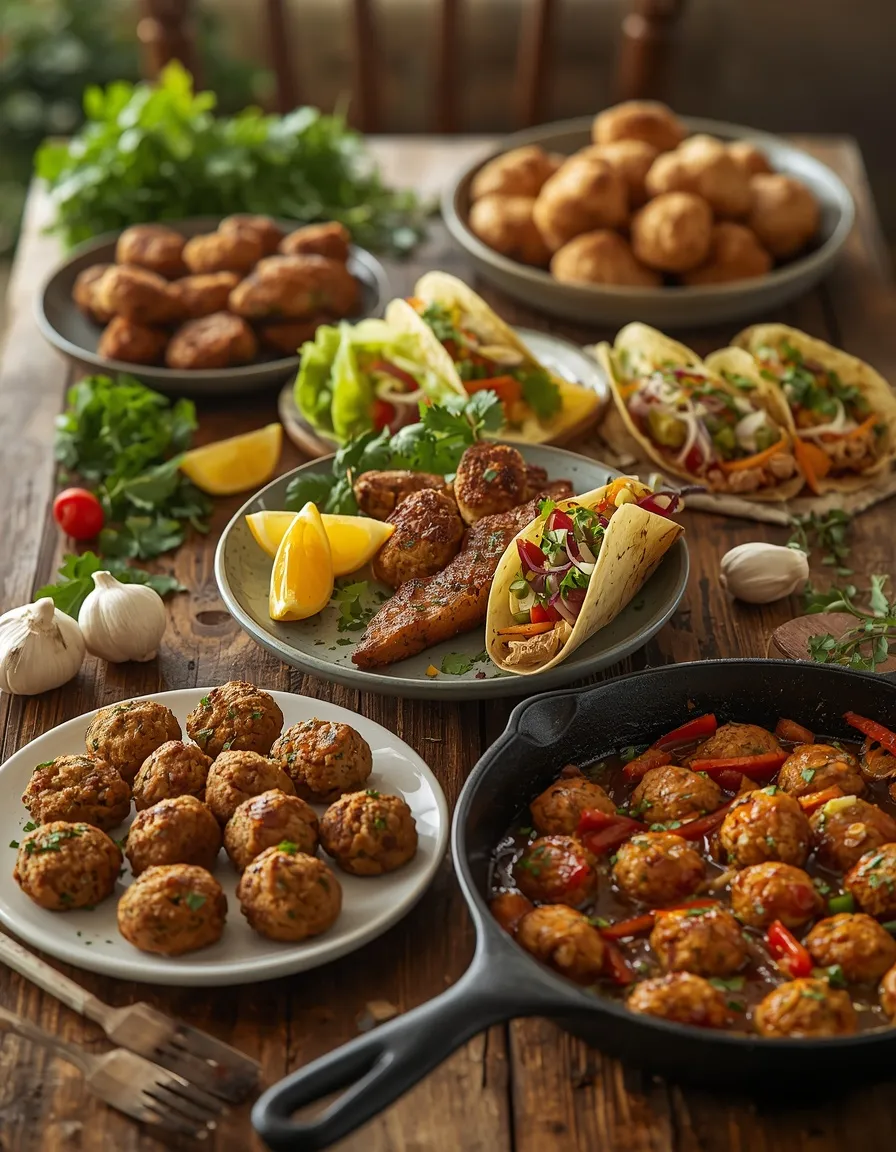
Cozy classics: Start with juicy chicken burgers, built with parmesan, green onion, and dried sage for a patty that’s crisp at the edges and deeply savory inside. Then there’s the reliable weeknight hero — baked chicken meatballs nestled into a garlic-tomato basil sauce over spaghetti. For something more special, try a Wellington-style chicken meatloaf, wrapped in puff pastry with sun-dried tomatoes and basil — genuinely dinner-party material.
Quick stir-fries and wraps: San choy bow brings the restaurant-starter favorite home, with a savory oyster-soy glaze, water chestnuts, and mushrooms folded into crisp lettuce cups. Thai larb gai leans on lemongrass, ginger, and fresh mint for a filling that’s bright and herbaceous. And when you need dinner on the table fast, a spicy Thai chicken stir-fry — light and dark soy, fish sauce, and fresh chilies — comes together in the time it takes to cook rice.
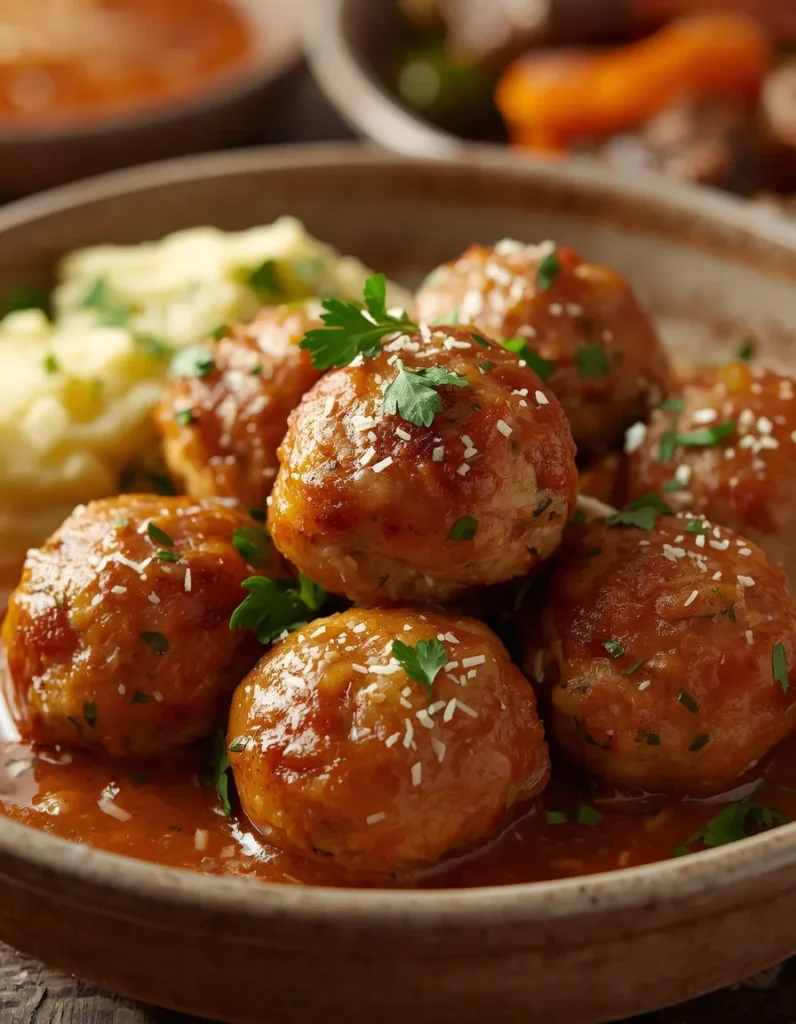
Global glazed meatballs: Teriyaki chicken meatballs, glossy with a mirin-sake-soy glaze, bring Tokyo flavor to your table. Thai meatballs, infused with lemongrass and kaffir lime and served with sweet chili sauce, are addictive straight off the tray. Cashew chicken meatballs put a fun spin on the takeout classic, tossed in a rich brown sauce with bell peppers and toasted cashews. And rounding things out, cheesy chicken and broccoli patties — baked until crisp with melty mozzarella running through the center.
Featured Recipe: Cheesy Broccoli Chicken Fritters
This one deserves its own spotlight. In 15 minutes of prep and 25 minutes in the oven, you’ll have 15 golden fritters that taste indulgent but are baked, not fried.
The trick to the broccoli is cooking the head until soft, then finely chopping it — and don’t toss the stems. Peel and mince them too; it’s an easy way to cut food waste while adding more texture to the mix. For the cheese, standard mozzarella gives you that classic stretch, but if you want more punch, swap in a sharper cheese and dial back the seasoning slightly to compensate.
To get that golden, crisp exterior without deep frying, a light spray of oil and a confident flip at 200°C (390°F) does the job. High heat, minimal oil, maximum crunch.
Don’t skip the yoghurt ranch sauce on the side — plain yoghurt, lemon juice, and olive oil blended with dill, parsley, chives, and onion powder. It’s cool, tangy, and cuts right through the richness of the cheese.
Making It Your Own: Veggie-Loading and Salt-Tuning
Once you’ve nailed the base recipe, it’s remarkably forgiving. You can fold in up to 1.5 cups of extra vegetables — squeezed zucchini, grated carrot, corn, peas, or spinach — without compromising structure, as long as excess moisture is squeezed out first.
One detail worth remembering: cheese choice affects your salt levels. If you swap the mild mozzarella for something punchier like cheddar, colby, or tasty cheese, dial the added salt back from 3/4 teaspoon to about 1/2 teaspoon. Those cheeses bring their own sodium to the party, and this small tweak keeps the final flavor balanced instead of overpowering.
Master these fundamentals once, and chicken mince stops being the “healthy backup” protein and becomes the one you actually reach for first.