Homemade Spaghetti Sauce Recipe: 7 Easy Ways to Boost Flavor
Table of Contents
Homemade Spaghetti Sauce
Meta Description: This homemade spaghetti sauce recipe is the ultimate family staple — a picky-eater-approved classic, leveled up with pro tips that turn beginner cooks into confident ones.
Why This Sauce Just Works
There’s a reason homemade spaghetti sauce is the recipe so many of us learn first: it’s forgiving. Burn the garlic a little? Still fine. Forget to measure the oregano exactly? Nobody will notice. That forgiveness is exactly what makes it such a confidence booster for new cooks — you can’t really mess it up, and the payoff is a bubbling pot of something that smells like it took all day.
It’s also the great equalizer at the dinner table. Even the pickiest eaters in your house tend to make an exception for spaghetti, which makes this sauce less of a recipe and more of a peace treaty.
Where This Recipe Comes From
I learned this sauce standing on a step stool, stirring a pot that was taller than I was. There was no written recipe — just a rhythm: brown the meat, add the onions, dump in the cans, let it go. Over the years I’ve kept that rhythm but added the little tricks that separate “good enough” sauce from the one people ask you to bring to potlucks.
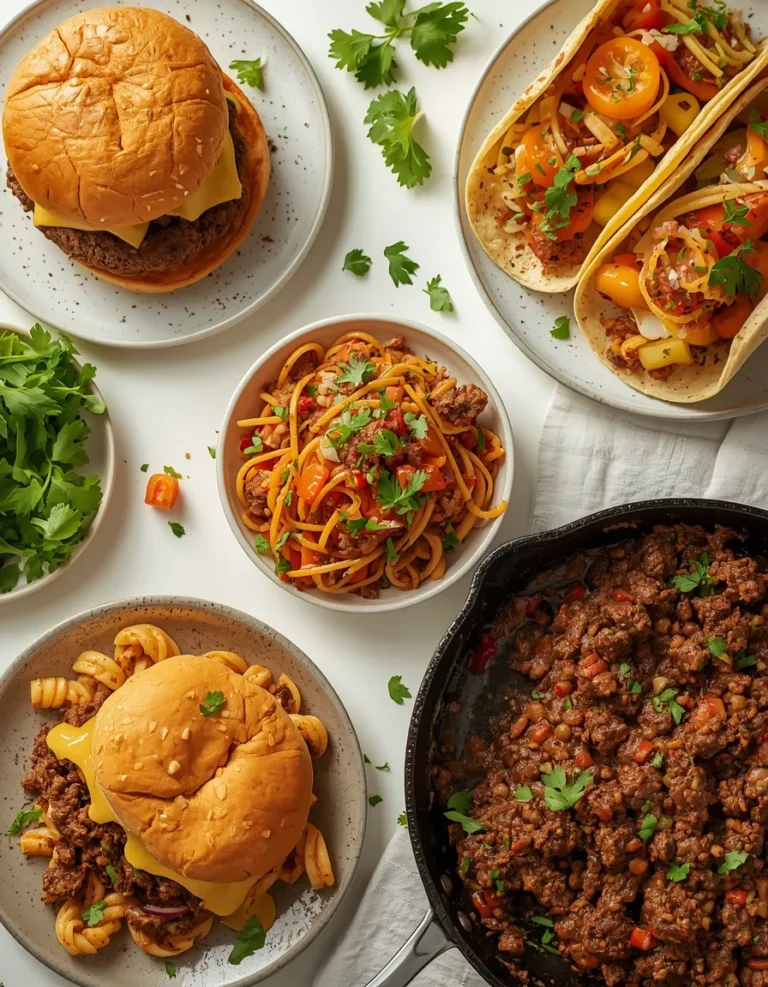
What I love most is how far one pot of sauce stretches. Tonight it’s spaghetti. Tomorrow it’s the base for Spaghetti Pie, the weekend it becomes Million Dollar Spaghetti, and by the following week it’s layered into a lasagna. Master this sauce once, and you’ve unlocked four dinners.
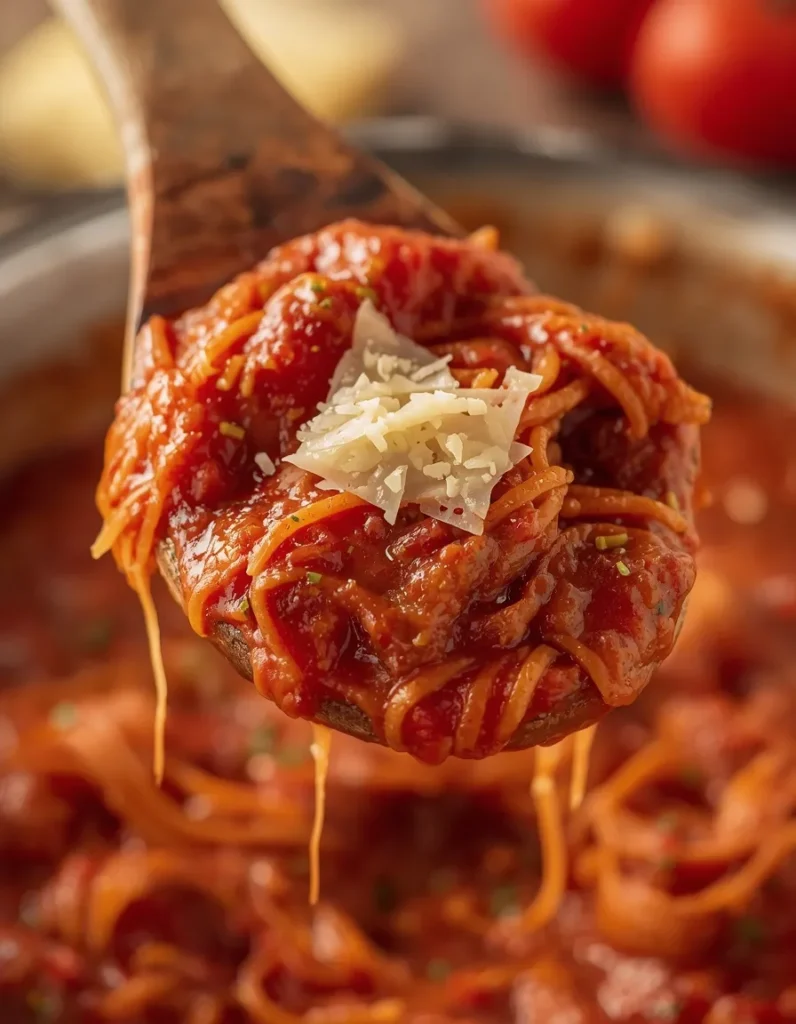
Leveling Up the Flavor
A few small additions turn this from a weeknight basic into something restaurant-worthy.
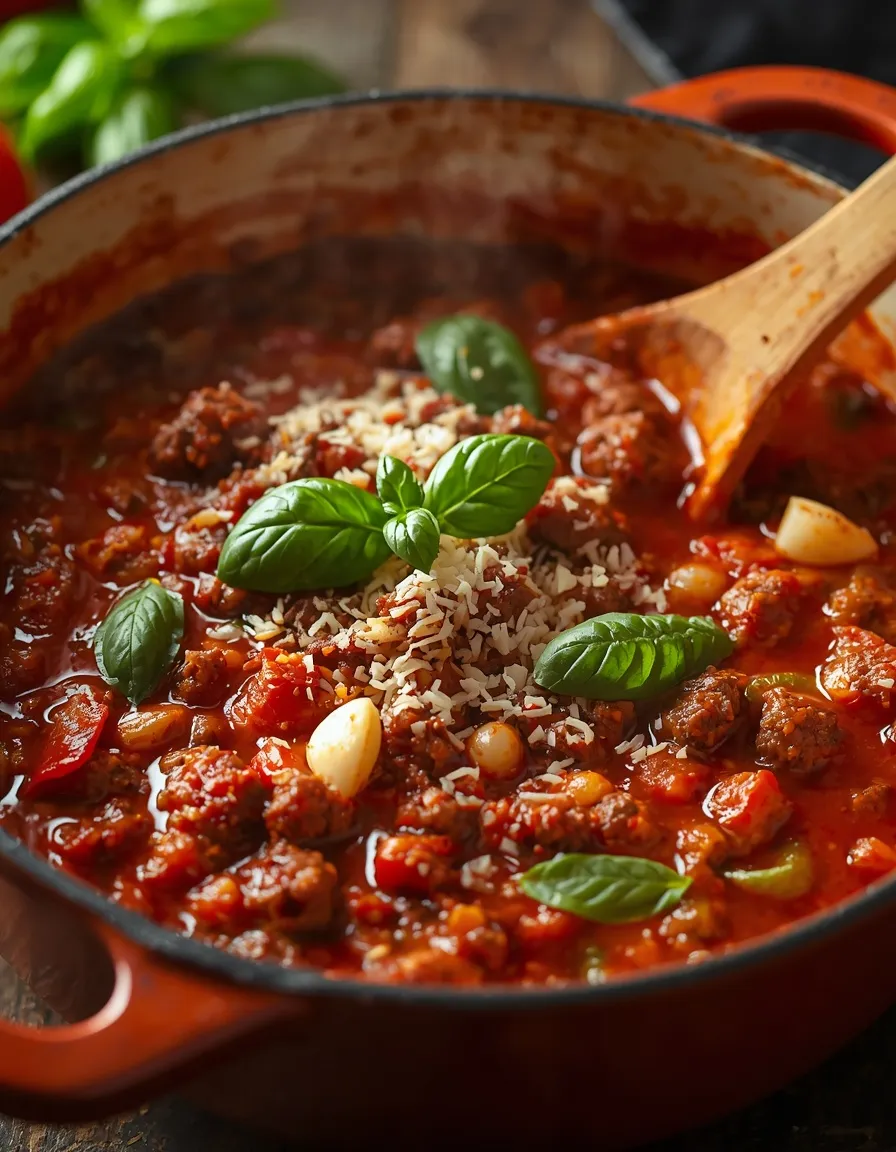
The umami boost. Stir in 1 tablespoon of soy sauce along with 1 cup of shredded Parmesan cheese. It sounds unusual, but the soy sauce deepens the savory notes in a way that’s undetectable — people just know it tastes “more.”
Fresh garlic over powder. Swap in (or supplement with) 6 cloves of fresh minced garlic. It’s a small change with an outsized payoff.
The meat blend. Use a 50/50 mix of ground beef and Italian sausage. The sausage brings built-in spice and fat, so you get more flavor without extra work.
The texture trick. After browning your meat, pulse it briefly in a food processor. This breaks it into a fine, even crumble that clings to noodles instead of clumping — the difference between homemade and truly restaurant-quality.
Hidden nutrition. Finely chop celery and mushrooms and sauté them with your onions. They melt into the sauce, adding bulk, moisture, and a few extra vitamins nobody will detect.
If you’re looking for another classic approach to homemade pasta sauce, check out this excellent Homemade Spaghetti Sauce recipe from Taste Better From Scratch. It offers additional ingredient variations, cooking techniques, and helpful tips for building rich tomato flavor from scratch.
Sauce, Marinara, or Pizza Sauce?
These three get used interchangeably, but they’re not the same. Marinara is quick-cooked, tomato-forward, and light — usually simmered 15–20 minutes. Spaghetti sauce is a longer-simmered, meatier build with more layered seasoning. Pizza sauce is often uncooked or barely cooked, concentrated, and thicker. Understanding the difference helps you know when to reach for which.
As for simmer time: a standard 30-minute simmer gives you a genuinely good sauce. But letting it go for 1.5 to 2 hours on low heat lets the water evaporate and the flavors concentrate, giving you a noticeably better, richer depth. If you have the time, take it.
Customizing for Your Table
Going meatless. Skip the meat entirely and sauté your onions in olive oil first to build that savory base — you’ll barely miss it.
Sugar swap. Replace granulated sugar with honey for a more natural sweetness that balances the tomatoes’ acidity.
Pantry emergency. No tomato paste? If you’re working with crushed tomatoes, just omit any water the recipe calls for. This keeps the sauce from turning thin without the paste to thicken it.
Gluten-free. Double-check your Worcestershire sauce (many contain gluten) and pair with your favorite gluten-free noodles.
Cooking Methods & Batch Sizing
Crockpot method. Brown your meat and sauté your aromatics on the stovetop first, then transfer everything to the slow cooker on low for 6–8 hours. It thickens beautifully and needs almost no attention.
Batch cooking. This sauce doubles easily. Make a double batch, eat half tonight, and freeze the rest — future you will be very grateful on a busy weeknight.
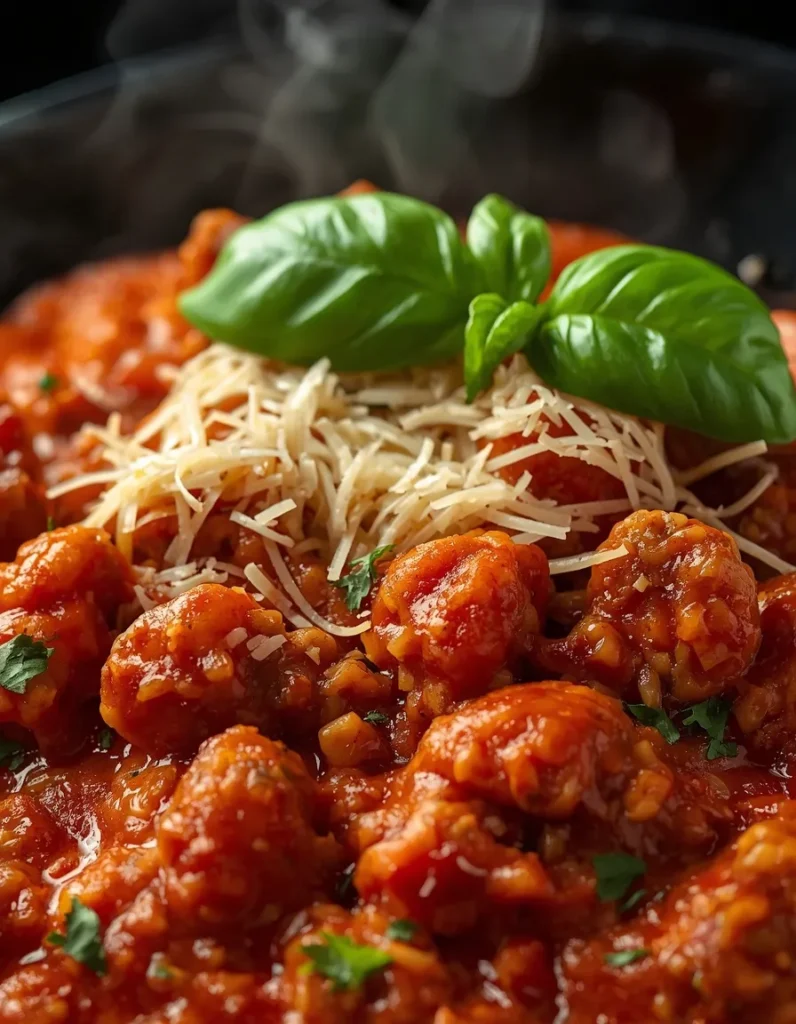
The Recipe
Ingredients: 1 lb ground beef, 1 lb Italian sausage, 1 medium onion (diced), 6 cloves garlic (minced), 1 cup celery and mushrooms (finely chopped, optional), 2 cans (28 oz) crushed tomatoes, 1 can tomato paste, 1 tbsp soy sauce, 1 cup shredded Parmesan, fresh basil, oregano, salt, pepper, honey to taste.
Instructions: Brown the meats together, then pulse in a food processor for a fine crumble. Sauté onions, garlic, celery, and mushrooms until soft. Combine everything with the tomatoes, paste, soy sauce, and seasonings. Simmer at least 30 minutes — longer if you have time — stirring occasionally. Stir in Parmesan and fresh basil just before serving.
Nutrition (approx. per serving): 320 calories, 18g protein, 14g fat, 22g carbs, plus a solid dose of vitamin C and iron from the tomatoes and greens.
Looking for another comforting homemade meal? Our Slow Cooked Tri Tip Roast is packed with rich flavor and fork-tender beef, making it an excellent choice for weekend dinners and special occasions.

Serving & Storage
Pair it with homemade Olive Garden-style breadsticks and a crisp side salad for the full experience.
For freezing, use the flat-freeze technique: cool the sauce completely, pour into gallon freezer bags, lay them flat, and freeze. Once solid, they stack like books and thaw in minutes under warm water.
Shelf life: 3–4 days in the fridge, 4–6 months in the freezer.
This is the kind of recipe worth keeping close — simple enough for a Tuesday, good enough for company, and flexible enough to become four different dinners from one pot.