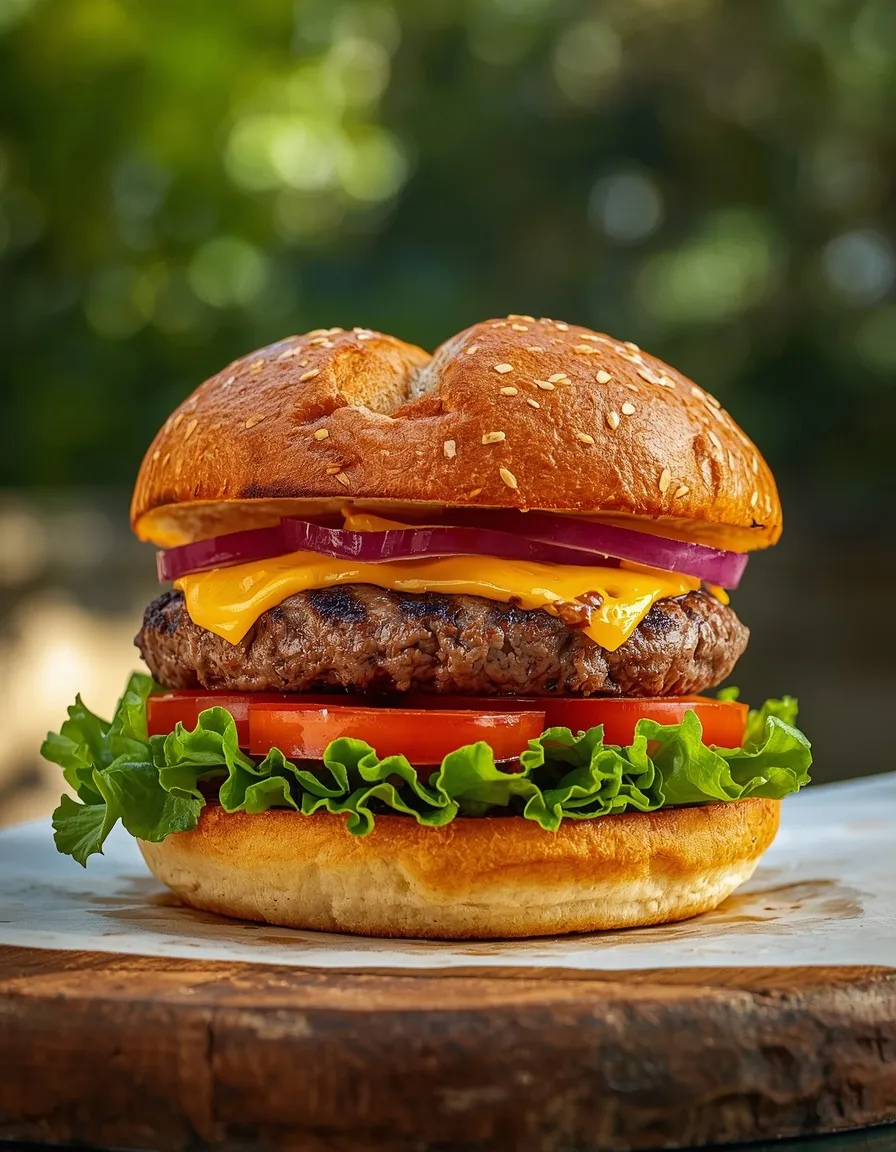
Perfect Burger Recipe: 7 Amazing Secrets to Juicy Homemade Burgers
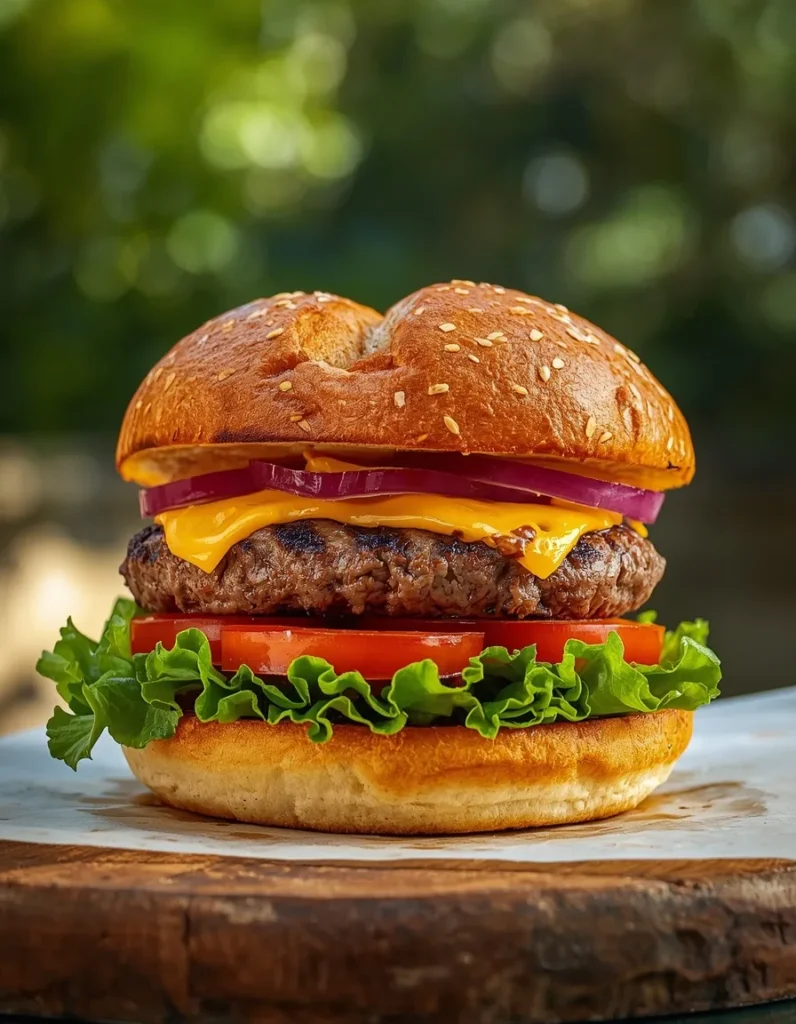
Table of Contents
The Quest for the Perfect Burger Recipe
There’s a reason the perfect burger recipe refuses to go out of style. It’s the one dish that can swing from a five-minute weeknight fix to the centerpiece of a backyard cookout without ever losing its soul. But ask ten people what makes a “perfect” burger and you’ll get ten different answers — some want it dressed to the nines with aioli and bacon jam, others just want a naked patty, a bun, and nothing to get in the way.
The trick isn’t picking a side. It’s building a burger so structurally sound and so well-seasoned at its core that it works for both camps. That’s the real goal here: a technique-driven foundation that satisfies the minimalist and gives the condiment lover something worth piling on.
If you enjoy hearty beef dinners, you’ll also love our Slow Cooker Beef Tips and Gravy Recipe, a rich comfort-food classic featuring tender beef and savory homemade gravy that’s perfect for family meals.
To get there, it helps to borrow from someone who’s spent decades obsessing over live fire. Steven Raichlen, the grilling authority behind BBQ University, has spent a career proving that great grilling isn’t about luck — it’s about understanding what’s actually happening to the meat between the grates and the flame. His fingerprints are all over the method below.
The Foundation — Sourcing and Preparation
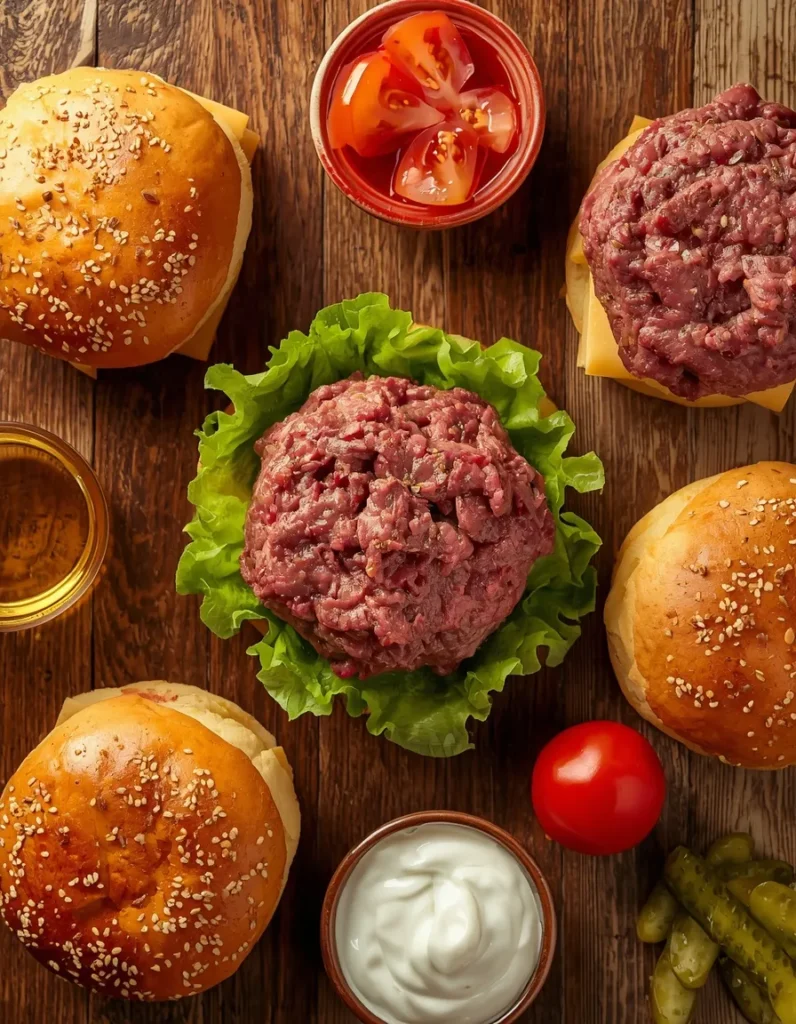
Everything starts with the meat, and here the ratio matters more than the cut’s fancy name on the label. Ground chuck with an 80/20 lean-to-fat ratio is the standard for a reason. That 20% fat isn’t excess — it’s insurance. High-heat grilling is unforgiving, and leaner blends dry out and turn chalky before they ever develop a proper crust. Fat is what keeps a burger juicy when it’s staring down 500-degree grates.
Temperature discipline matters just as much as the ratio. Keep the ground beef cold right up until you’re ready to season it. Warm beef causes the fat to smear rather than stay suspended within the protein structure, which means it renders out too early on the grill instead of basting the patty from the inside as it cooks.
When you do season — garlic, onion, a few dashes of Worcestershire — resist the urge to really work it in. Mix for 30 to 45 seconds, no more. Overmixing breaks the natural emulsion of fat and protein, and the result is a dense, springy, almost sausage-like texture instead of the loose, tender bite a great burger should have.
Finally, don’t overlook the grill itself. Scrub the grates clean and give them a light coat of oil before anything touches the heat. A clean, oiled surface is the difference between a burger that releases cleanly with a gorgeous sear and one that tears apart mid-flip.
The Architecture — Shaping the Patties
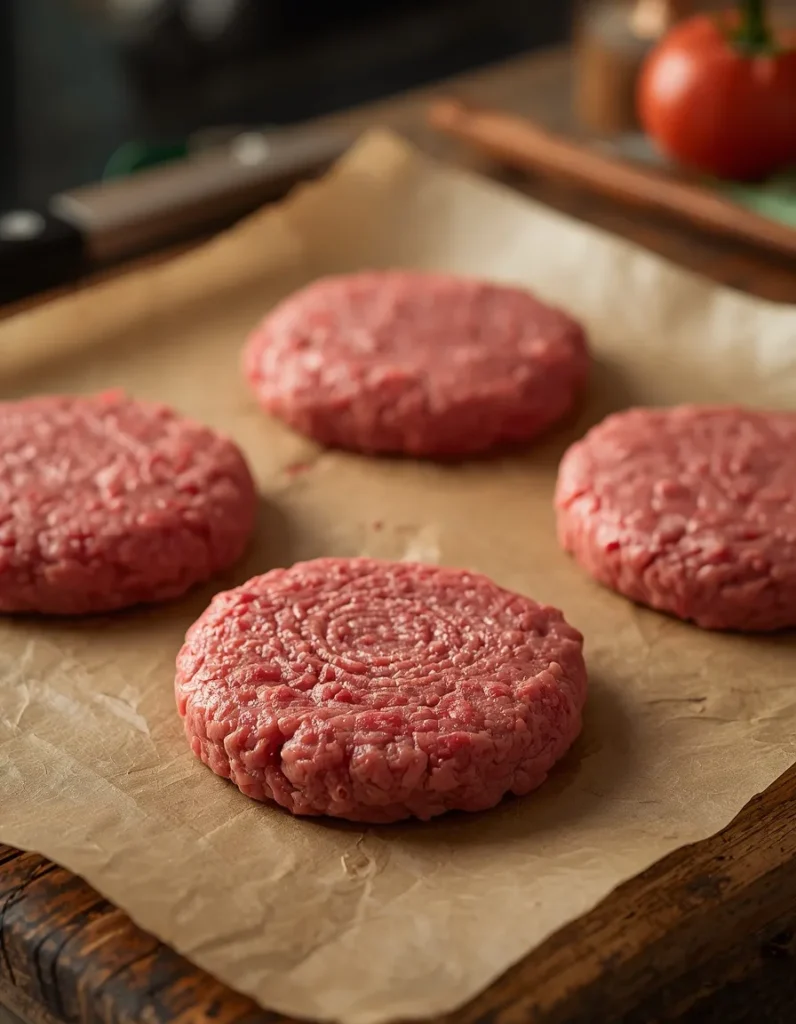
Size and shape are where a lot of home cooks lose the plot. Aim for patties that are about one inch thick and roughly an inch wider in diameter than your bun. Burgers shrink as they cook, and building in that extra width means you end up with a patty that actually matches your bun instead of disappearing inside it.
Then there’s the center. Most people know the old thumbprint trick, but a small dimple isn’t enough. What you want is a wide, shallow depression across the entire center of the patty — think of pressing it like a salad plate rather than poking a single dent. As the burger cooks, the edges naturally contract and the middle puffs upward. Without that wider depression, you end up with a burger shaped like a football. With it, you get a flat, even patty that sits properly on the bun.
Shape your patties on a parchment-lined tray, not in your bare hands. The heat from your palms transfers into the meat faster than you’d think, softening the fat and setting you up for exactly the temperature problems Pillar 1 warned about.
The Execution — Heat and Timing
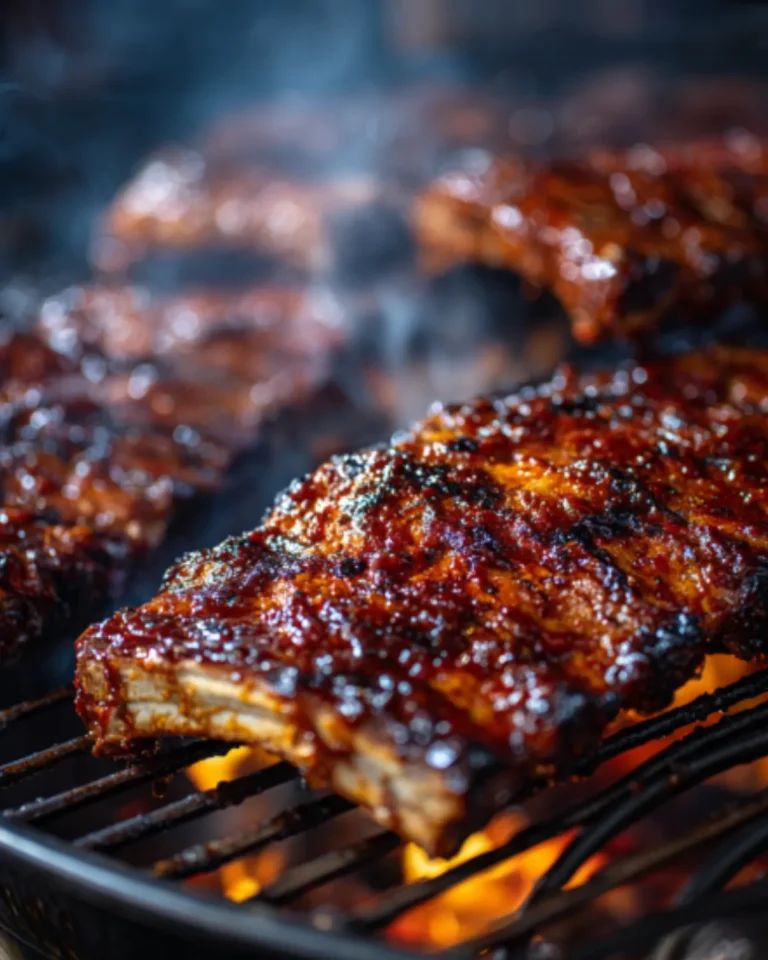
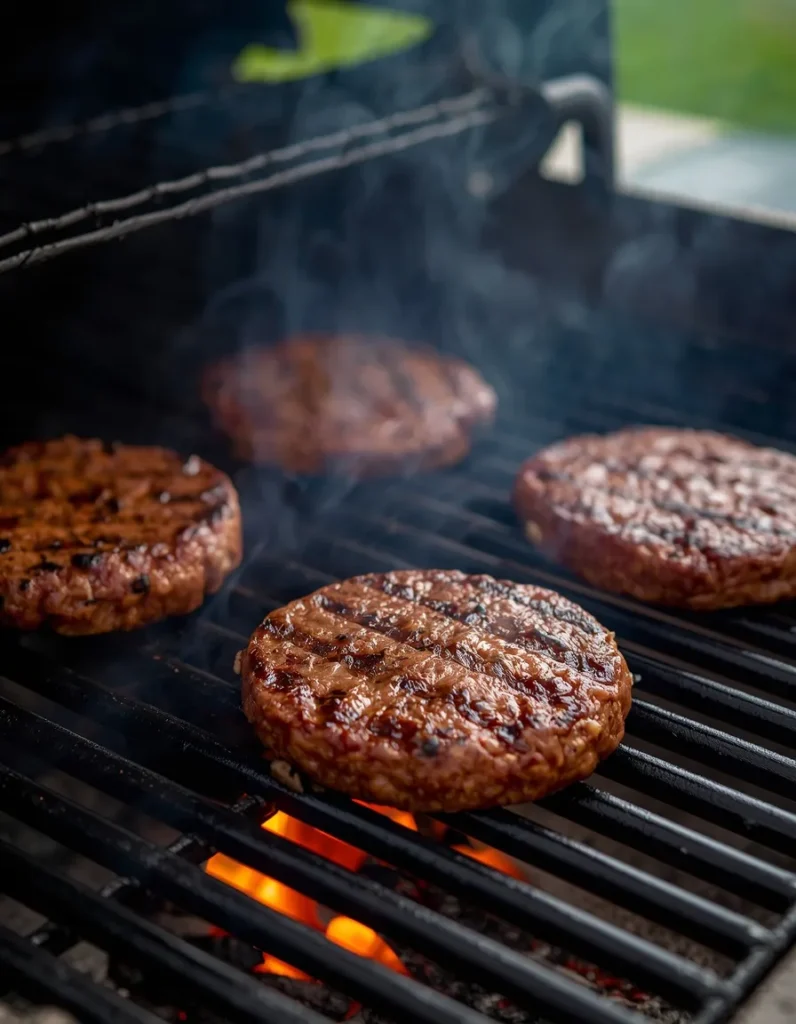
Get your grill hot — really hot. You’re aiming for 450 to 500°F, the kind of heat where you can hold your hand a few inches above the grates for only about one second before you have to pull it away.
From there, timing and internal temperature go hand in hand:
- Rare: 4 minutes total (125°F)
- Medium-rare: 5 minutes total (135°F)
- Medium: 6–7 minutes total (145°F)
- Well-done: 8–9 minutes total (160°F, the USDA-recommended benchmark)
Two rules govern the actual flipping. First, never press the patty with your spatula. It feels productive, but all you’re doing is squeezing out the juice and flavor you worked so hard to lock in. Second, don’t be shy about flipping often. Contrary to old backyard wisdom, frequent flips actually produce more even cooking than the single dramatic flip-once approach.
For the most reliable read, insert your meat thermometer through the side of the patty rather than down through the top. It’s a small adjustment that gives you a far more accurate center-of-patty reading.
If you’re new to grilling burgers, this detailed guide from Simply Recipes on how to grill the best burgers provides additional tips on temperature control, burger doneness, and achieving a perfect sear.
Finishing Touches and Flavor Mastery
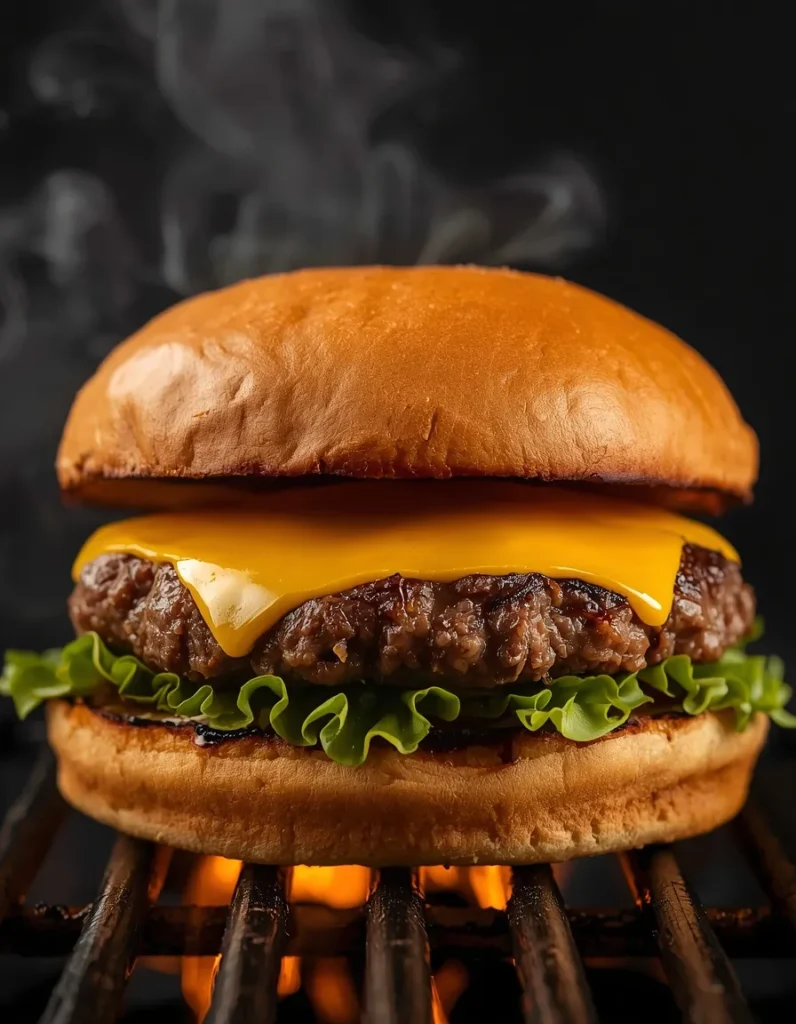
Cheese goes on with one minute left on the grill — enough time to melt fully without turning greasy or sliding off. Once the burger comes off the heat, let it rest for a full minute before it hits the bun. That short pause lets the juices redistribute through the patty instead of running straight out onto your cutting board.
Don’t neglect the bun. Butter it and toast it over indirect heat until it’s golden — a brioche bun handles this beautifully, soaking up just enough richness to complement the beef instead of competing with it.
If you want to push the flavor further, a little lemon zest mixed into the beef does wonders for cutting through all that fat, brightening the whole bite. And for the toppings crowd, this is where the burger becomes a canvas — tomato jam, garlic aioli, and bacon jam all take a well-built patty from great to genuinely memorable.
Frequently Asked Questions About the Perfect Burger Recipe
What is the secret to a perfect burger recipe?
The secret to a perfect burger recipe is using high-quality ground beef with an 80/20 lean-to-fat ratio, handling the meat gently, and cooking it over high heat. The fat keeps the burger juicy, while proper grilling techniques create a flavorful crust without drying out the patty.
What is the best ground beef for a perfect burger recipe?
Most grill masters recommend 80/20 ground chuck for the perfect burger recipe. This blend contains enough fat to keep the burger moist and tender while still delivering a rich beef flavor.
Why do burgers shrink on the grill?
Burgers shrink because the proteins tighten and the fat renders during cooking. To compensate, shape your patties about one inch wider than the bun and create a shallow depression in the center before grilling.
Should you press burgers with a spatula while grilling?
No. Pressing burgers with a spatula forces flavorful juices out of the meat and can result in a dry burger. For the juiciest results, let the burger cook undisturbed and flip only when needed.
What temperature should burgers be cooked to?
For food safety, the USDA recommends cooking ground beef burgers to an internal temperature of 160°F. Use an instant-read thermometer inserted through the side of the patty for the most accurate reading.
What toppings go best on a perfect burger?
Classic toppings include lettuce, tomato, onion, pickles, and cheese. For gourmet burgers, try garlic aioli, bacon jam, caramelized onions, avocado, or tomato jam to add extra flavor and texture.
Should burgers rest after grilling?
Yes. Let burgers rest for about one minute after removing them from the grill. This allows the juices to redistribute throughout the meat, resulting in a more flavorful and juicy burger.
Can I make this perfect burger recipe on a stovetop?
Absolutely. A cast-iron skillet can produce a delicious crust similar to a grill. Cook the burgers over medium-high heat and follow the same temperature guidelines for the best results.
How do I keep burgers juicy?
Keep the beef cold before shaping, avoid overmixing the meat, use an 80/20 beef blend, don’t press the patties during cooking, and avoid overcooking. These simple techniques help create the perfect juicy burger every time.
Recipe Summary and Nutrition
The Master Recipe serves 6, using 2 pounds of 80/20 ground beef, with a total cook time of about 15 minutes from grill to table.
Per serving: approximately 586 calories and 46 grams of protein — a hearty, satisfying plate that holds up whether it’s dressed simply or loaded with every topping on the list.
Master these three pillars — foundation, architecture, and execution — and you’ve got a burger that doesn’t need to choose a side. It’s rich enough for the toppings-obsessed and honest enough to stand entirely on its own.