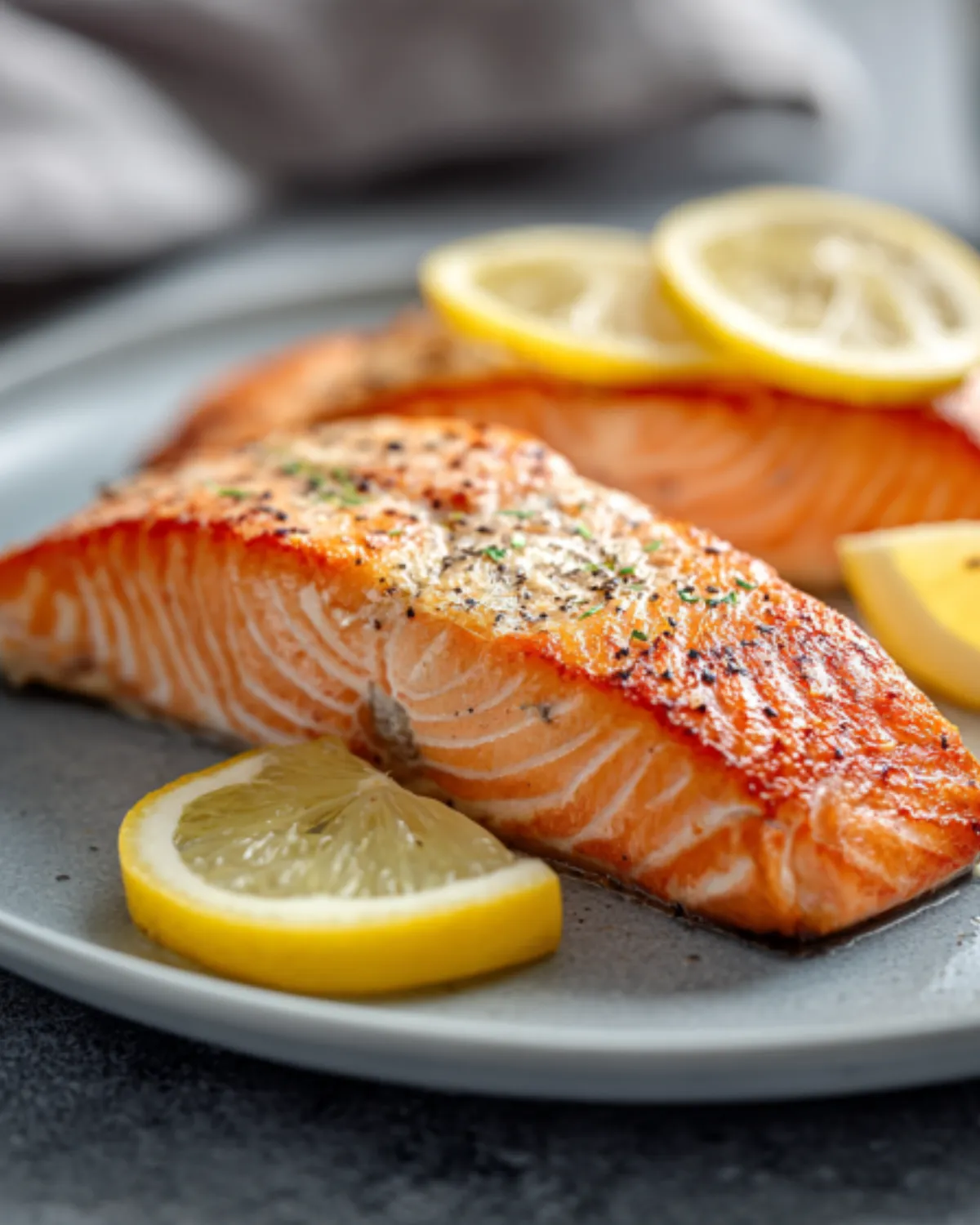
Salmon Cooked Temperature: 5 Proven Secrets for Perfect Results
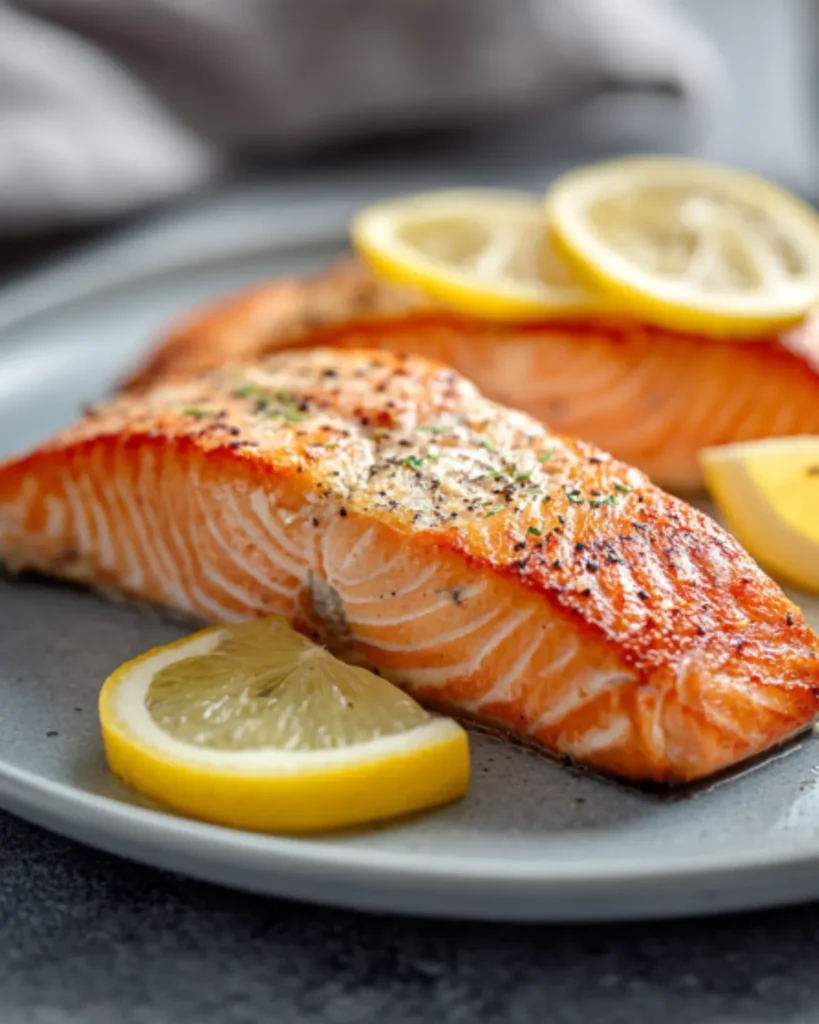
Table of Contents
Introduction:
Salmon cooked temperature can make or break your dish. Cook it too long, and it turns dry and chalky. Cook it just right, and you get a tender, flaky, restaurant-quality meal every time. In this guide, I’ll show you exactly how to master the perfect salmon cooked temperature, whether you’re baking, roasting, or pan-finishing. You’ll also learn the best oven settings, how to tell when salmon is done, and simple tricks that guarantee juicy results. If you’ve ever wondered what temp to cook salmon in oven, you’re about to get clear, practical answers.
Understanding Salmon Cooked Temperature
What Is the Ideal Salmon Cooked Temperature?
I still remember the first time I nailed the perfect salmon cooked temperature. I had overcooked it so many times before, and honestly, I thought salmon was just supposed to be dry. Then one evening, I pulled it out at just the right moment—and everything changed. The texture turned buttery, soft, and full of flavor.
The ideal salmon cooked temperature depends on how you like your fish. The USDA recommends cooking salmon to an internal temperature of 145°F. However, many home cooks and chefs prefer removing it from heat at around 125°F to 135°F because the fish continues cooking after you take it out.
Here’s a quick reference:
| Doneness Level | Internal Temperature |
|---|---|
| Medium-rare | 120°F – 125°F |
| Medium | 130°F – 135°F |
| Well done (USDA) | 145°F |
So while 145°F is considered safe, most people enjoy salmon more at slightly lower temperatures for better moisture and flavor.
Internal Temperature vs Oven Temperature Explained
Many people confuse salmon cooked temperature with oven temperature, but they’re not the same thing. The oven temperature refers to the heat setting you cook at, while the internal temperature tells you when your salmon is actually done.
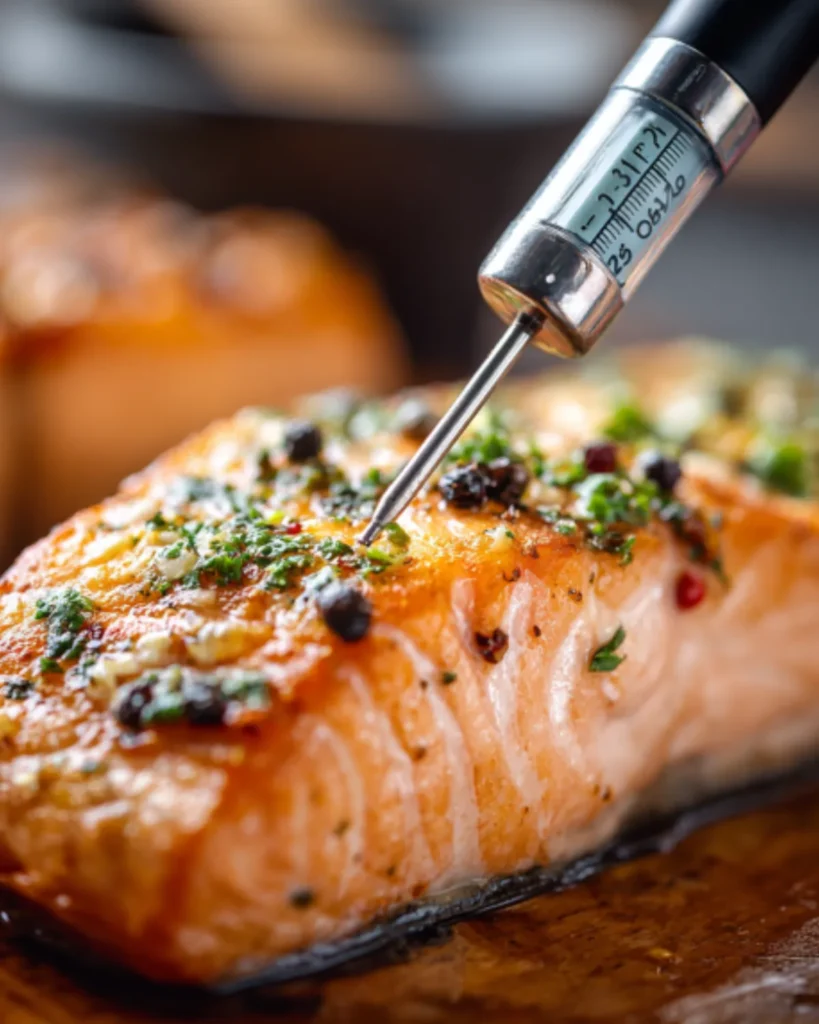
For example, you might bake salmon at 400°F in the oven, but the goal is still to reach the correct internal salmon cooked temperature. That’s why using a food thermometer makes a huge difference.
When I started paying attention to internal temperature instead of just cooking time, everything improved. The fish cooked more evenly, and I stopped guessing.
Here’s a simple breakdown:
- Oven temperature controls how fast the salmon cooks
- Internal temperature determines doneness
- Resting time continues the cooking process
Once you understand this difference, cooking salmon becomes much easier and more consistent.
Best Oven Settings for Baking Salmon
What Temp to Cook Salmon in Oven for Best Results
After learning the right salmon cooked temperature, the next step is choosing the best oven setting. I used to guess and switch between random temperatures, but once I locked in the right range, everything became easier and more consistent.
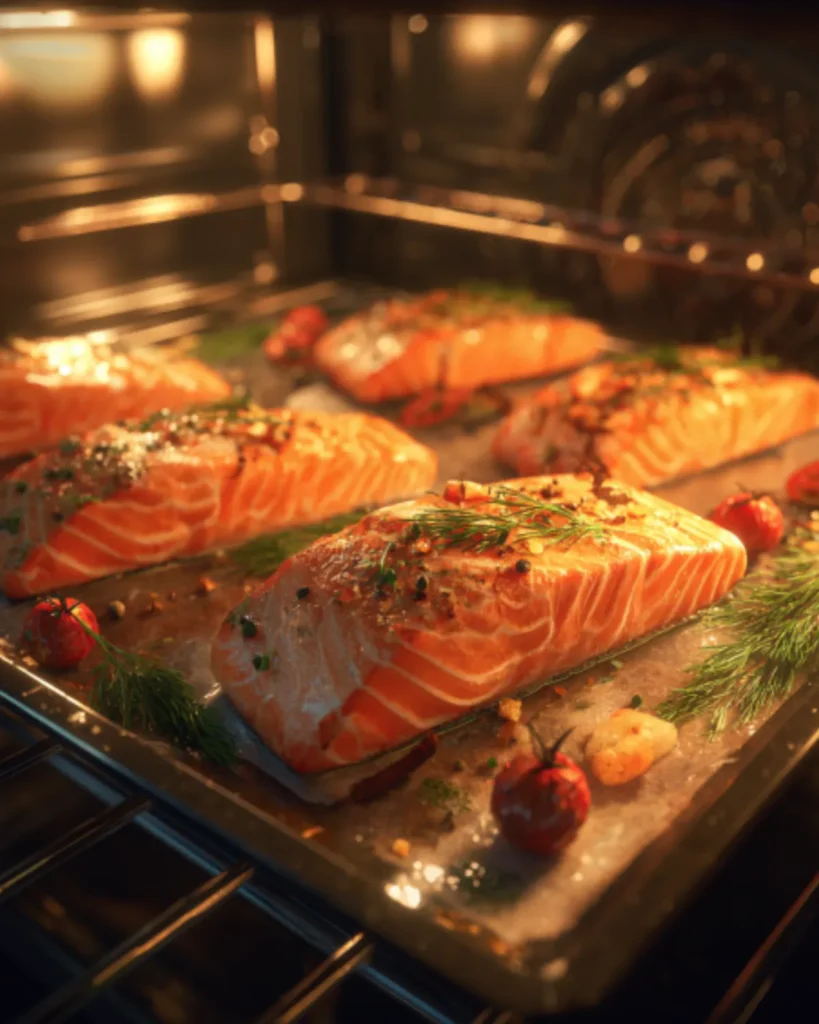
The best answer to what temp to cook salmon in oven is simple: 400°F. This temperature gives you a perfect balance. It cooks the salmon quickly while keeping it juicy and tender inside.
However, different oven temperatures create slightly different results:
- 350°F: Slower cooking, softer texture
- 375°F: Balanced and gentle cooking
- 400°F: Best for most recipes (my go-to)
- 425°F: Faster cooking with slightly crisp edges
When I want a reliable dinner, I always choose 400°F. It helps me hit the perfect salmon cooked temperature without drying the fish.
If you enjoy simple baked meals, you’ll love how this method compares to other easy dinner ideas like baked chicken recipes on your site, which follow a similar temperature balance for juicy results.
Baked Salmon Temp Variations (350°F vs 400°F vs 425°F)
Let’s break it down further so you can choose the perfect baked salmon temp based on your cooking style.
| Oven Temp | Cooking Time | Result |
|---|---|---|
| 350°F | 20–25 min | Very soft, slightly delicate texture |
| 400°F | 12–15 min | Juicy, flaky, perfect balance |
| 425°F | 10–12 min | Firm edges, slightly crisp outside |
While higher heat cooks faster, it also increases the risk of overcooking. That’s why I always keep an eye on the internal salmon cooked temperature, no matter which oven setting I use.
If you enjoy oven-based recipes, you might also like trying similar techniques used in roasted vegetable dishes or simple sheet pan meals, where temperature control plays a huge role in flavor.
One thing I’ve learned over time is this: oven temperature sets the stage, but the internal salmon cooked temperature decides the final result. Once you combine both, you’ll get consistent, delicious salmon every single time.
How to Tell When Salmon Is Done
What Temp Is Salmon Done Safely?
Getting the salmon cooked temperature right matters, but knowing exactly when to pull it out of the oven makes all the difference. I used to wait until the fish looked completely firm, but that always led to dry results. Once I started checking temperature instead, everything improved instantly.
So, what temp is salmon done? The USDA recommends 145°F as the safe internal temperature. At this point, the salmon is fully cooked, firm, and opaque.
However, many home cooks prefer removing salmon earlier, around 130°F to 135°F, because it continues to cook after you take it out of the oven. This method keeps the fish moist and tender.
Here’s a quick guide to help you decide:
- 125°F: Soft and slightly translucent (medium-rare)
- 130°F–135°F: Moist, flaky, and ideal for most people
- 145°F: Fully cooked and firm (USDA recommendation)
Because salmon keeps cooking for a few minutes after you remove it, I always take it out just before it reaches my target salmon cooked temperature. This simple habit prevents overcooking every time.
If you already enjoy mastering doneness in dishes like steak or baked chicken, you’ll notice the same principle applies here—temperature control always leads to better results.
Visual Signs and Texture Cues for Perfect Salmon
While a thermometer gives you the most accurate salmon cooked temperature, you can still rely on visual cues when needed. Over time, I learned to recognize when salmon is perfectly done just by looking at it.
Here are the key signs to watch:
- Color change: Raw salmon looks bright and translucent, while cooked salmon turns opaque and lighter pink
- Flaking: The fish easily flakes apart with a fork when it’s ready
- Texture: It feels tender and slightly firm, not dry or tough
- Center appearance: The middle should look slightly glossy, not raw
One mistake I made early on was waiting until the entire piece looked completely opaque. By then, the salmon cooked temperature had already gone too high. Now, I pull it out when the center still looks slightly soft because it finishes cooking while resting.
Another thing you might notice is a white substance forming on the surface. That’s called albumin, and it appears when salmon cooks at too high a temperature or for too long. Lower heat and better timing help prevent it.
If you enjoy simple, foolproof cooking methods, you can apply these same visual checks to other recipes on your site, especially quick seafood or oven-baked dishes that rely on timing and texture.
At this point, you understand both the correct salmon cooked temperature and how to recognize doneness without guessing. That combination gives you full control in the kitchen.
Tips, Mistakes & Expert Techniques
Common Mistakes When Cooking Salmon Temperature
Even if you know the right salmon cooked temperature, a few common mistakes can still ruin your dish. I made all of these at some point, so fixing them completely changed how my salmon turns out.
First, many people cook salmon too long. They wait until it looks fully firm, but by then, the internal salmon cooked temperature has already gone too high. Instead, remove it slightly early and let it rest.
Second, using high heat without control causes uneven cooking. While 425°F works, it can quickly dry out thinner fillets. That’s why I prefer moderate heat like 400°F for consistent results.
Another mistake is skipping the thermometer. Guessing often leads to overcooking. Once I started checking the internal temperature, my results improved immediately.
Lastly, overcrowding the pan affects heat distribution. Always give each piece space so it cooks evenly.
If you’ve tried other oven recipes like casseroles or sheet pan meals, you already know how important spacing and temperature control are for even cooking.
Pro Tips for Juicy, Flaky Salmon Every Time
Now let’s focus on what really works. These tips help you hit the perfect salmon cooked temperature every time.
Start by patting the salmon dry. This helps it cook evenly and improves texture. Then season simply—salt, pepper, and a drizzle of olive oil work perfectly.
Next, always preheat your oven. A consistent oven temperature ensures the salmon cooks evenly from start to finish.
Another key tip is to use carryover cooking. Remove the salmon when it’s about 5°F below your target salmon cooked temperature. It will continue cooking as it rests.
If you enjoy crispy texture, bake the salmon skin-side down. The skin protects the fish and adds flavor.
You can also pair this technique with simple side dishes like roasted vegetables or light pasta recipes, which cook at similar temperatures and make meal prep easier.
Frequently Asked Questions
Should you bring salmon to room temperature before cooking?
While it isn’t required, letting salmon sit at room temperature for about 15 minutes helps it cook more evenly. This step ensures the inside doesn’t stay cold while the outside cooks.
Should you leave the salmon skin on?
Yes, especially when baking or pan-cooking. The skin protects the flesh from direct heat and helps retain moisture. It also becomes crispy if cooked properly.
What is the white stuff coming out of the salmon?
The white substance is albumin, a protein that appears when salmon cooks. It usually forms when the fish is overcooked or exposed to high heat. Lower temperatures and careful timing reduce this effect.
Conclusion
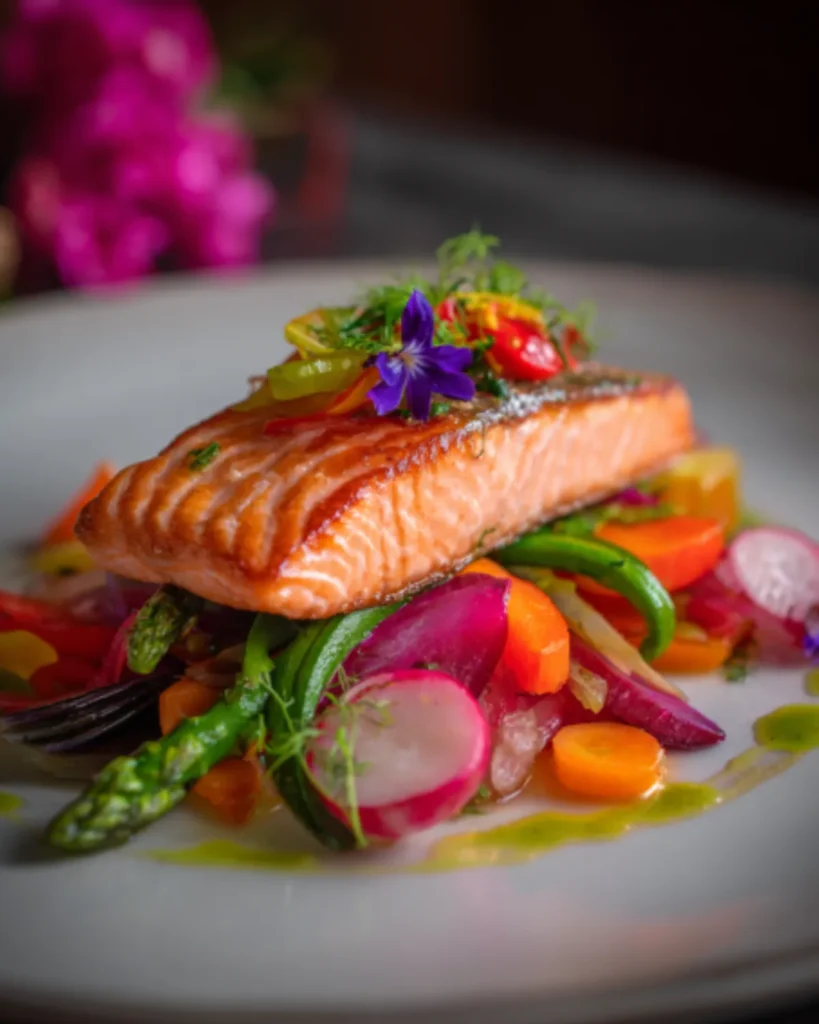
Mastering the salmon cooked temperature completely transforms your cooking. Once you understand the difference between oven temperature and internal temperature, everything becomes easier. By baking at the right heat, checking doneness carefully, and avoiding common mistakes, you can create perfectly juicy and flaky salmon every time.
Cooking salmon doesn’t have to feel complicated. With a few simple techniques and the right temperature, you’ll get consistent, delicious results that rival any restaurant dish.