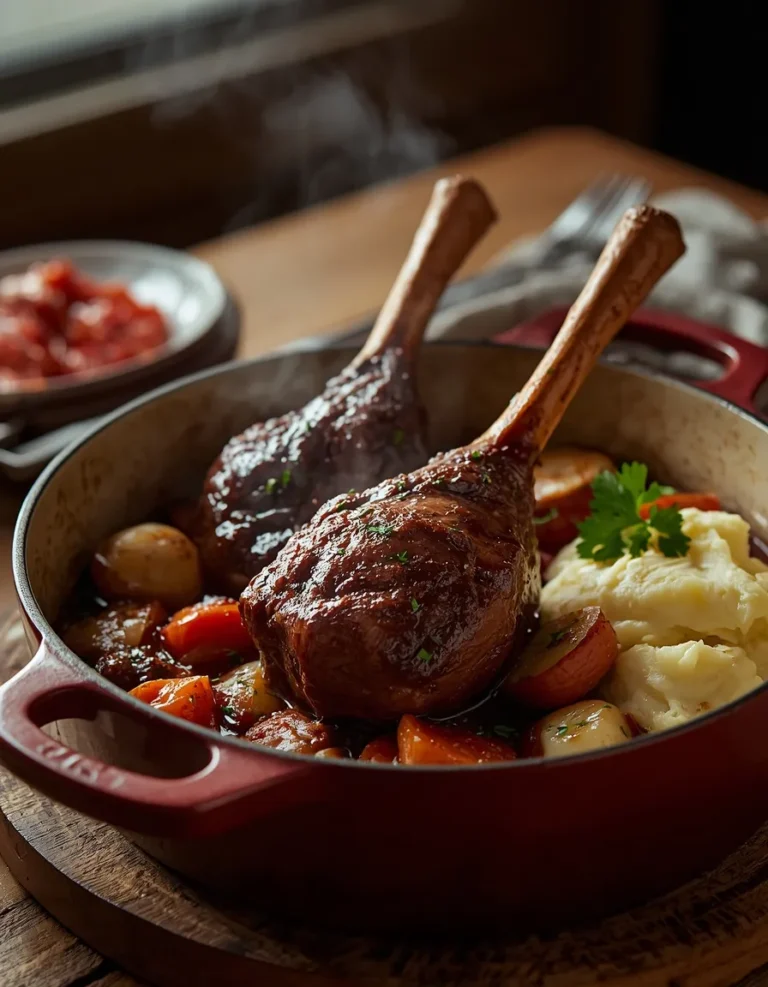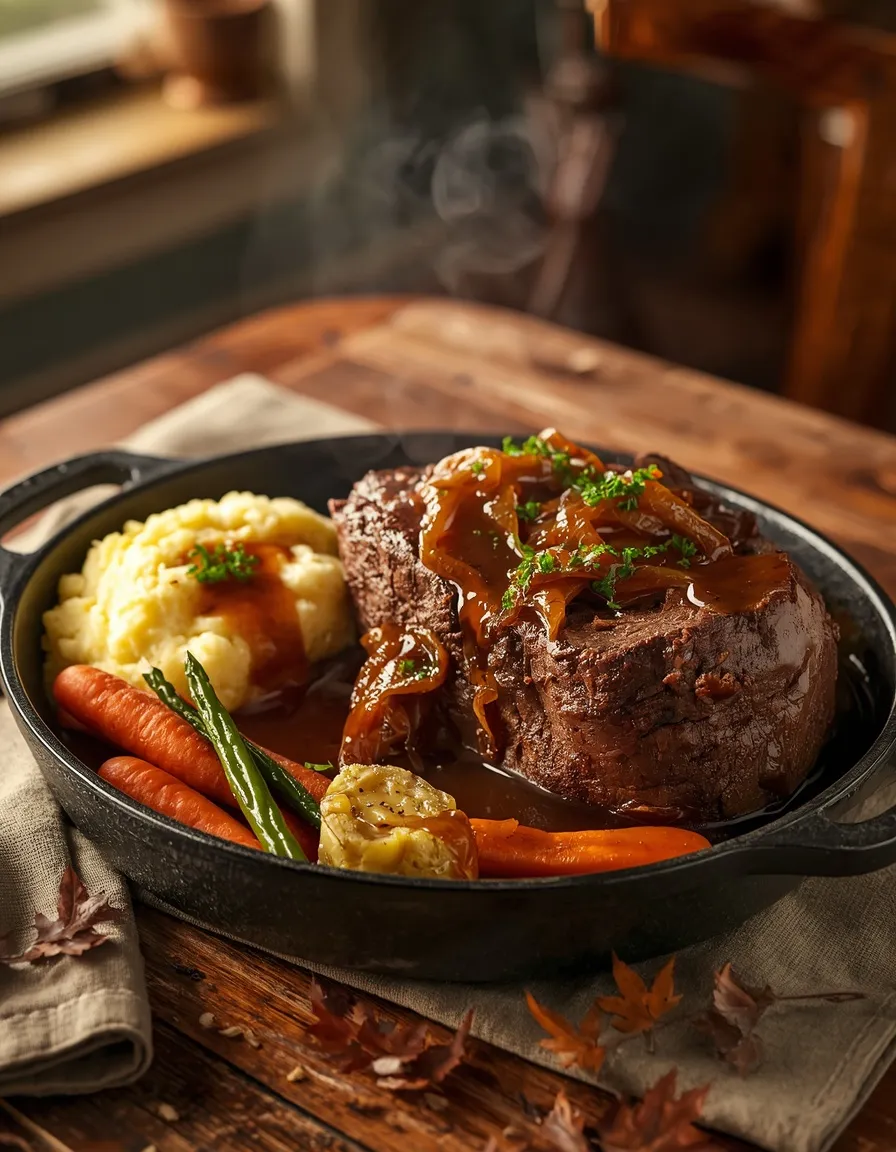
Easy 3-Ingredient Slow Cooker Sirloin Tip Roast Recipe
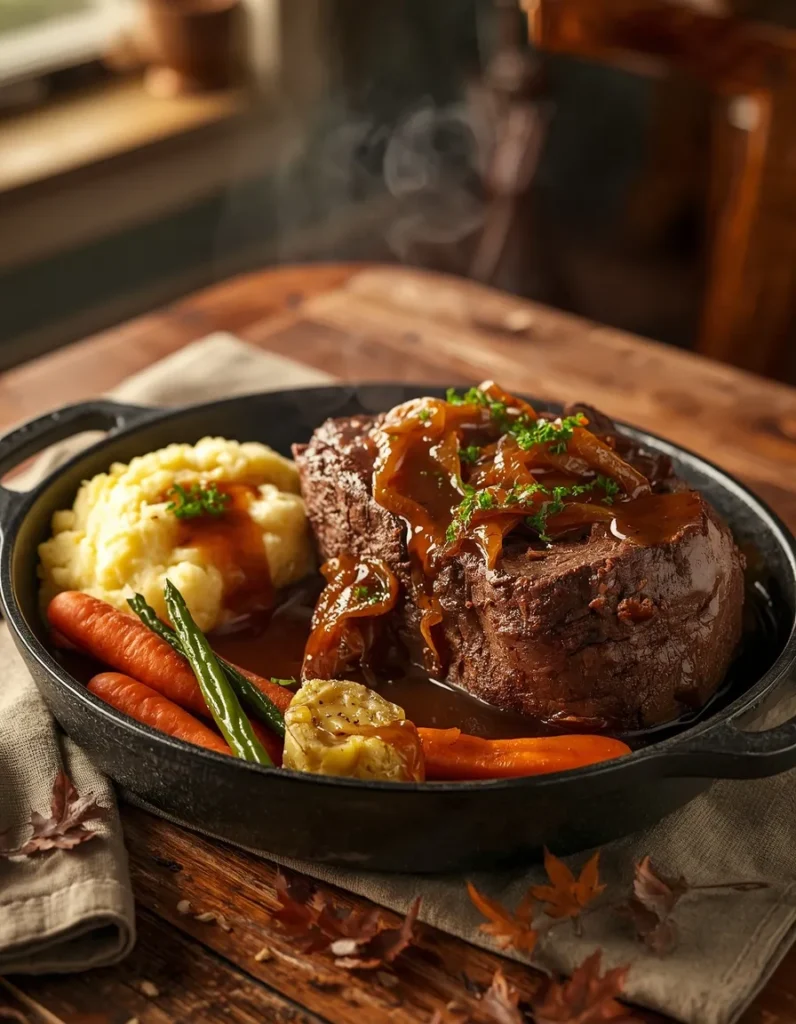
Table of Contents
3-Ingredient Slow Cooker Sirloin Tip Roast
Why This Recipe Works
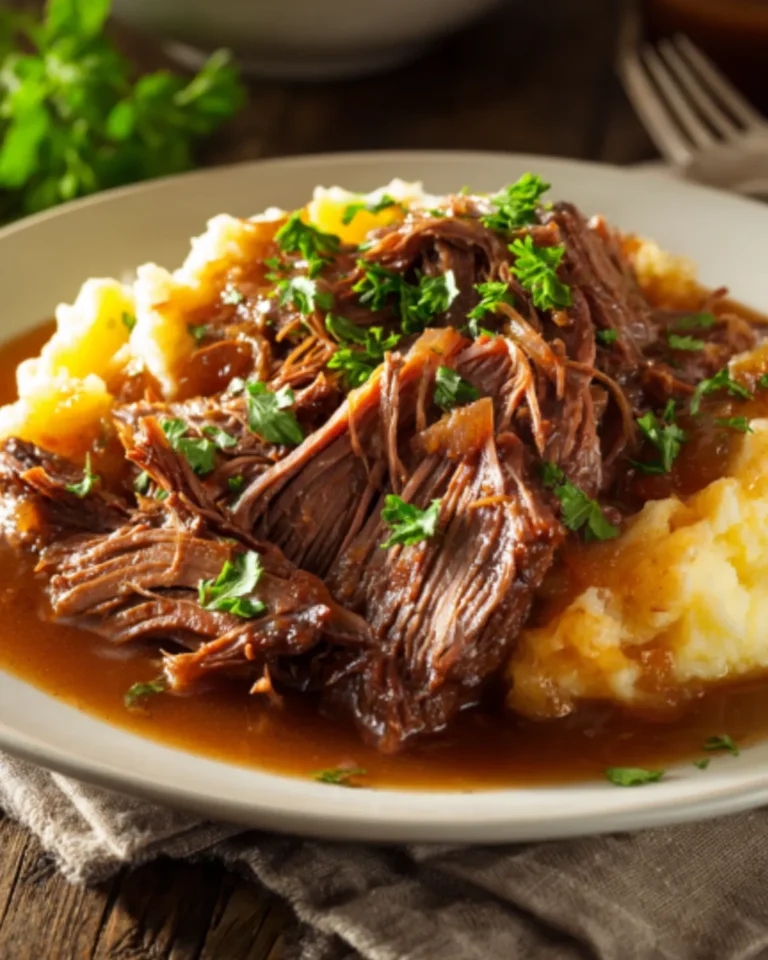
There’s a reason cheap cuts of beef and slow cookers were basically made for each other. A sirloin tip roast is naturally lean and a bit tough, with just enough connective tissue to resist quick cooking. Roast it fast, and it can turn chewy. Cook it low and slow, however, and the collagen gradually breaks down into rich gelatin, creating meat that’s tender enough to shred with a fork.
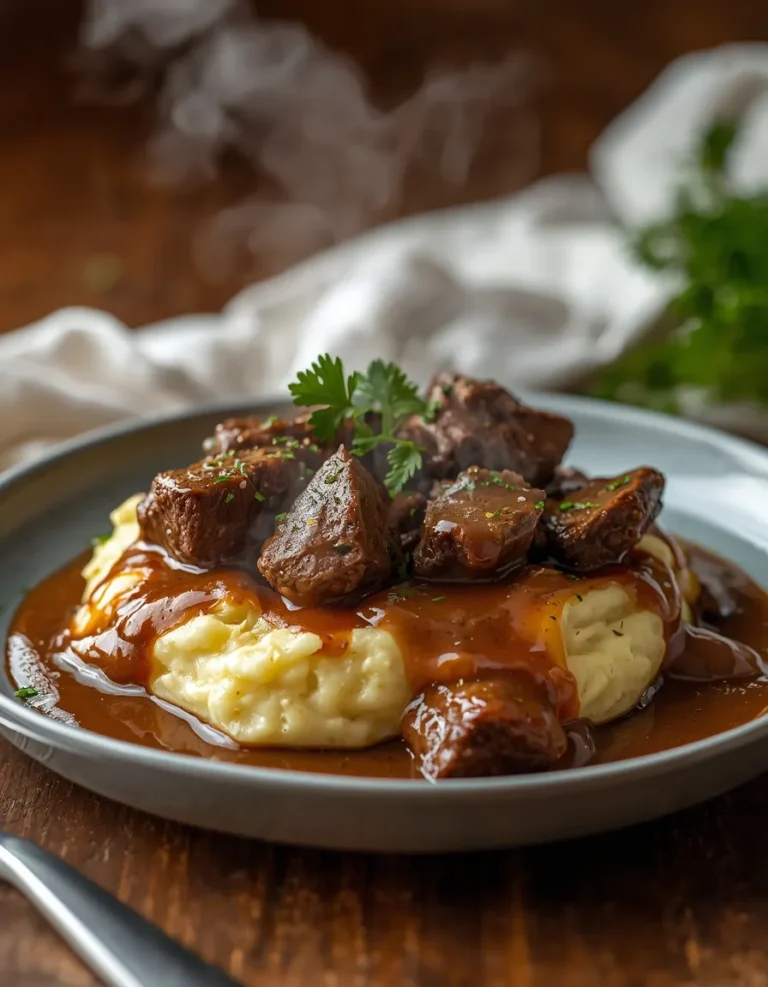
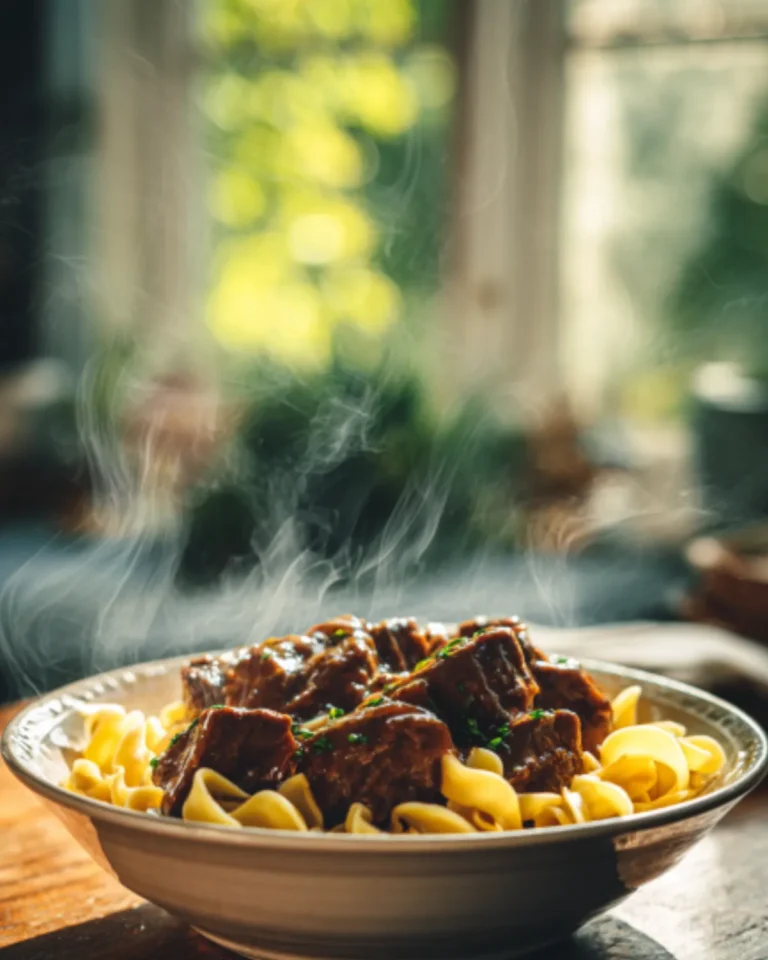
The slow cooking process also allows the beef to absorb every bit of flavor from the seasonings and onions while staying moist. Instead of drying out, the roast becomes juicy, flavorful, and perfect for serving over mashed potatoes, rice, or noodles.
That’s exactly why this recipe has become a favorite for busy families. There’s no searing, marinating, or complicated prep work. Just place the roast, onion soup mix, and sliced onions into the slow cooker before leaving for work, and you’ll come home to a comforting homemade dinner that’s ready to serve.
The 3-Ingredient Secret for slow cooker sirloin tip roast
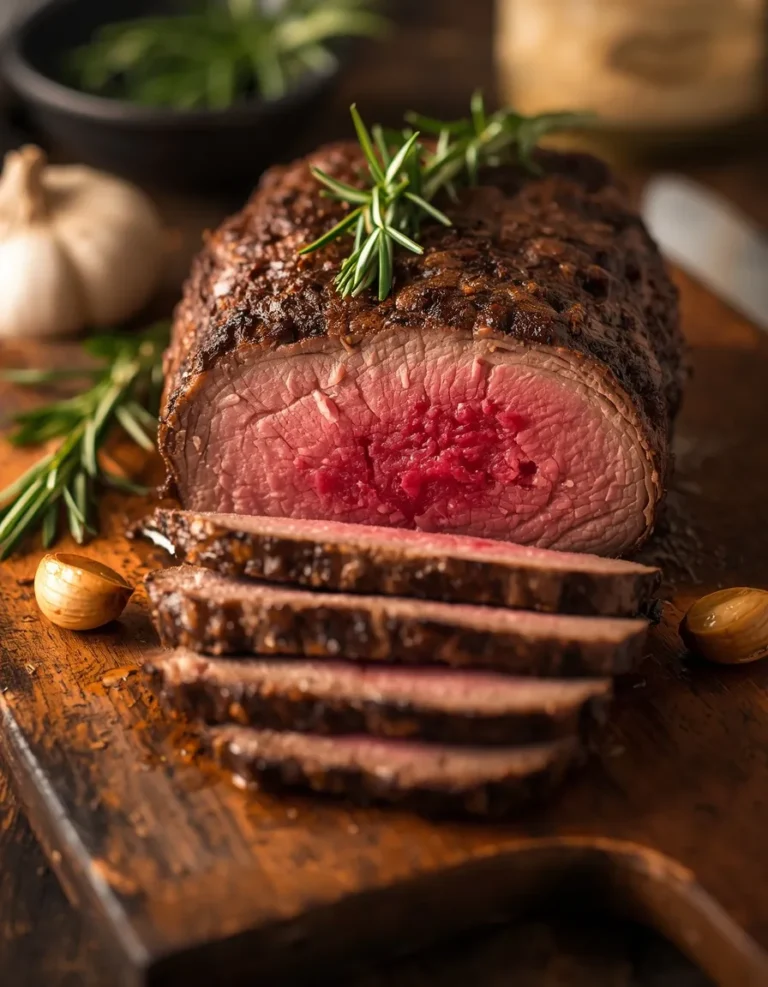
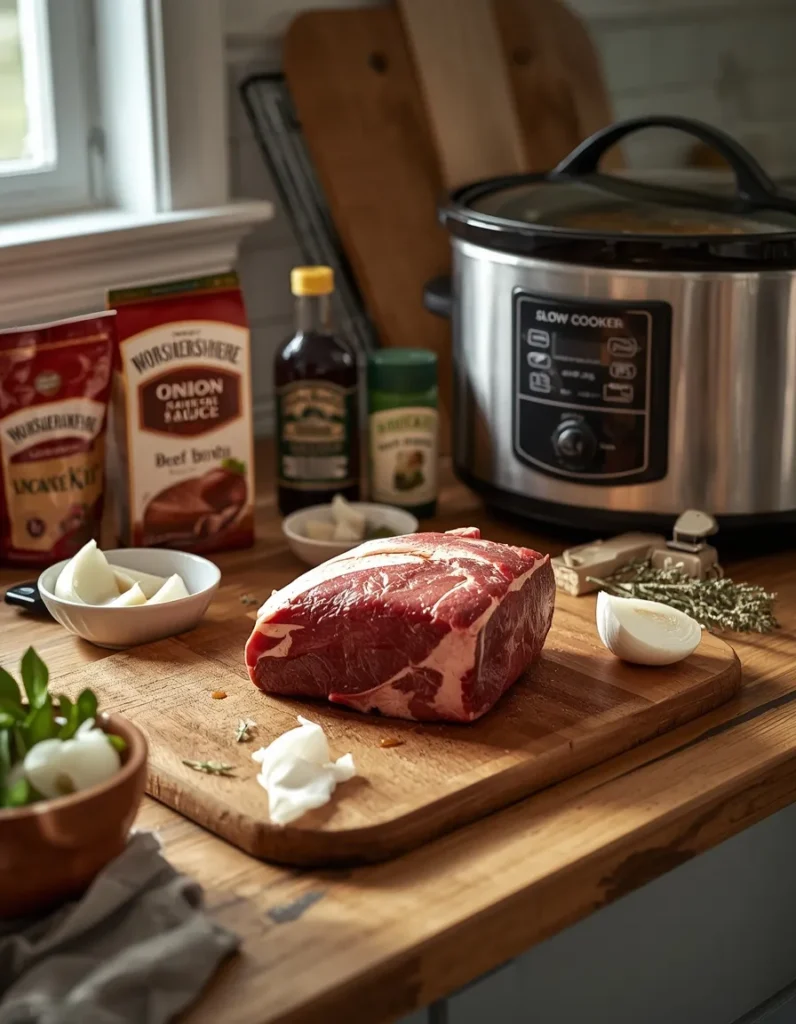
Part of the charm here is how little it asks of you. The sirloin tip roast is the star, the onion soup mix acts as an instant seasoning blend (salt, onion, a little umami depth — no measuring spoons required), and fresh onions round it out with sweetness and body.
The trick most people miss is what those onions are doing at the bottom of the pot. Sliced into rounds and laid down first, they create a kind of buffer between the meat and the direct heat of the slow cooker’s base. As they cook, they release moisture, which turns into steam and keeps everything self-basting for hours. They also stop the roast from sitting directly on hot metal, which means less sticking and a more even braise all the way around. By the time dinner’s ready, those onions have practically dissolved into the gravy, adding flavor you didn’t have to work for.
If you’re interested in comparing different cooking methods and serving ideas, check out this helpful Sirloin Tip Roast recipe guide from Easy Family Recipes, which offers additional tips for preparing this flavorful cut of beef.
Pro-Tips for Success
Leave the fat alone. It’s tempting to trim every visible bit of fat off the roast before it goes in, but resist it. That fat cap bastes the meat as it renders, keeping the roast moist through the long cook. Once it’s fork-tender, the fat pulls away easily with a fork or your fingers — trimming after cooking is faster and you lose way less usable meat in the process.
Skip the sear. Traditional pot roast recipes love a hard sear before the braise, and sure, it adds a little something. But once this roast is shredded and mixed back into its own juices, that browned-crust flavor mostly disappears into the mix anyway. Skipping it saves you a dirty pan, ten minutes, and some spattered oil — without a noticeable hit to the final dish.
Don’t rush it. This is the one rule that actually matters. Eight to twelve hours on low is the range for a reason — anything less and you risk landing in that “cooked through but not tender” zone that no amount of shredding will fix. If you’re tempted to bump it to high heat to save time, know that you’re trading texture for speed. Low and slow, every time.
Customization Hub: Variations for Every Occasion
Once you’ve got the base method down, it’s easy to bend this recipe to whatever you’re in the mood for.
- Make it a full meal: Add quartered potatoes and chunked carrots to the bottom of the pot alongside the onions. They’ll cook right along with the roast and soak up all that flavor.
- Boost the flavor: If you want to build the seasoning from scratch instead of using a packet, or just want more depth, a splash of Worcestershire sauce, a little soy sauce, and a few smashed garlic cloves go a long way.
- No sirloin tip? No problem. Chuck roast, English roast, and rump roast all respond well to the same low-and-slow treatment.
- Short on time? An Instant Pot or other pressure cooker can get you tender meat in a fraction of the time — figure roughly 60–75 minutes on high pressure with a natural release, depending on the size of your roast.
Mastering the Gravy
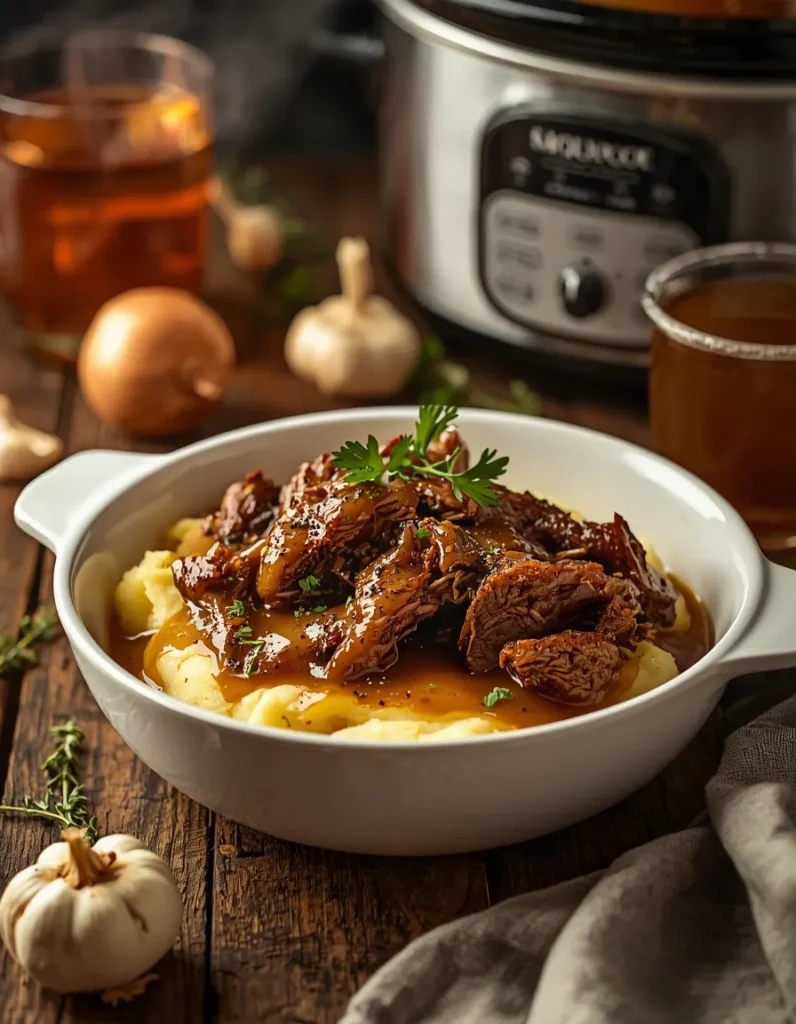
Once the meat’s out, you’re left with a pot of deeply flavored liquid — and what you do with it is up to you. Some people prefer it as a light au jus, spooned over the meat as-is. Others want a proper gravy.
For a lump-free gravy, don’t just dump flour into the hot liquid — it’ll clump. Instead, whisk a few tablespoons of flour into a small amount of the cooking liquid first, forming a smooth paste. Then slowly whisk that paste back into the rest of the juices over low heat, letting it thicken gradually. Patience here is what separates silky gravy from a grainy mess.
If you know you want extra sauce for serving over mashed potatoes or rice, add an extra cup of beef broth to the pot at the very start — it’ll simmer down and blend in without diluting the flavor.
If you’re planning your weekly beef meals, don’t miss our Best Grilled Hamburger Recipe, a quick and delicious BBQ favorite that’s perfect for summer grilling.
Maximized Leftovers & Meal Prep
Shredded beef has a tendency to dry out once it’s separated from its cooking liquid, so before you store leftovers, mix about a cup of the reserved juices back in. It rehydrates the meat and keeps it tasting freshly made, even days later.
From there, the possibilities go well beyond a simple reheat:
- Shepherd’s pie — swap in the pre-cooked roast for whatever ground meat your usual recipe calls for.
- Sirloin tip sandwiches — piled onto griddled ciabatta with melted provolone and a side of warm au jus for dipping.
- Loaded baked potatoes — topped with shredded beef, sour cream, and a scatter of chives.
For longer storage, this recipe freezes well in two different ways. You can freeze it raw as a “dump bag” — roast, onions, and seasoning sealed together, ready to go straight into the slow cooker on a future busy day. Or you can freeze it fully cooked, portioned with its juices, for a reheat-and-eat meal that’s ready in minutes.