
5 Easy Steps for the Best Chicken Brine Recipe
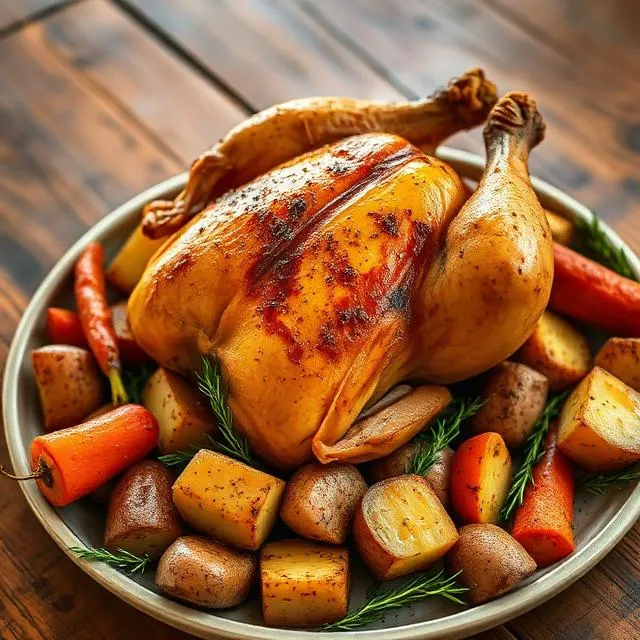
Table of Contents
The Perfect Poultry Brine: How to Lock in Moisture and Flavor Every Time
If you’ve ever pulled a beautifully browned chicken Brine Recipe out of the oven only to find dry, stringy meat inside, you’re not alone. The fix can be simpler than you think.
Brining is a technique that helps chicken stay juicy and flavorful. At its core, brining means soaking poultry in a balanced salt-and-sugar solution before cooking.
The salt helps the meat retain moisture during cooking. Garlic, herbs, and a touch of sugar also add flavor from the inside out.
Once your chicken has been properly brined, you’re ready to turn it into a delicious and satisfying meal. For more easy dinner inspiration, explore these chicken and potato recipes, featuring comforting one-pan meals, roasted dinners, casseroles, and other flavorful combinations.
What You’ll Need
This recipe makes 1 gallon of brine, enough for about 16 servings. Here’s what to gather:
- 16 cups water
- ¾ cup kosher salt
- ⅔ cup white sugar
- ¼ cup dried sage (or to taste)
- ¼ cup dried basil (or to taste)
- 2 heads garlic, crushed and chopped
- 1 tablespoon whole black peppercorns
- 1 large bay leaf
The measurements matter more than they might seem to at first glance. Kosher salt has a different density than table salt, so if you’re tempted to swap one for the other, be aware you’ll need to adjust the quantity — otherwise you risk an overly salty result.
This Chicken Brine Recipe uses simple ingredients, including kosher salt, sugar, herbs, garlic, and spices to create flavorful and juicy chicken.

Make It Your Own
Once you’ve got the base technique down, this brine becomes a jumping-off point rather than a fixed formula.
Herbal Swap: Not a fan of sage and basil? Swap the sage for dried rosemary and toss in a few whole star anise pods. It adds a subtle licorice-like warmth that pairs especially well with roasted or smoked chicken.
Citrus Boost: Once your brine has fully chilled, stir in the rinds and juice of an orange, a lemon, and a lime. This brightens the whole profile and gives the finished chicken a fresh, slightly tropical edge — particularly nice for grilling season.
How to Make the Brine
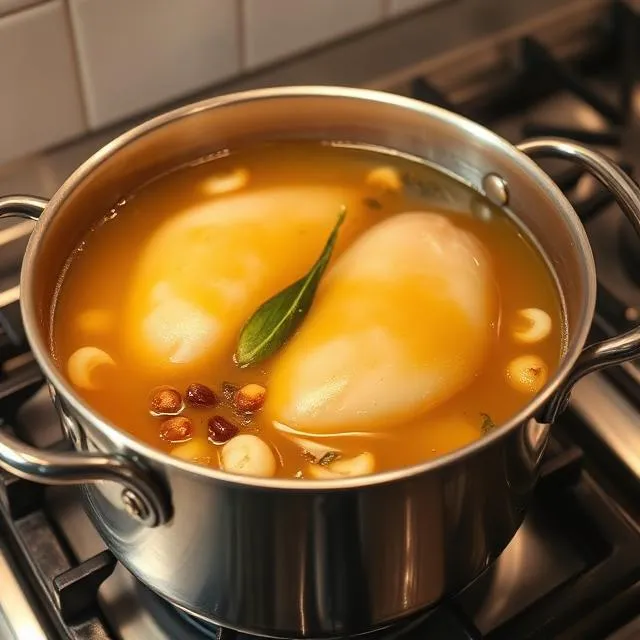
1. Simmer the base. In a large pot over medium-high heat, combine the water, kosher salt, sugar, sage, basil, crushed garlic, peppercorns, and bay leaf. Cook for about 20 minutes, stirring occasionally, until the salt and sugar have fully dissolved. You shouldn’t feel any graininess when you run a spoon along the bottom of the pot.
2. Let it steep. Take the pot off the heat, cover it, and let it sit for 20 to 30 minutes. This resting period is where the herbs and garlic really release their oils into the liquid, so don’t rush past it.
3. Cool it down. Set the pot into an ice bath and stir occasionally for another 20 to 30 minutes, until the brine reaches room temperature.
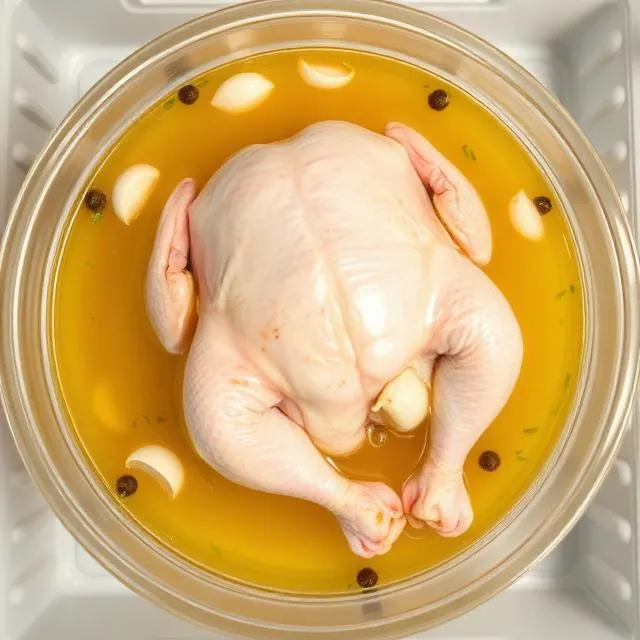
4. Chill completely. Transfer the brine to the refrigerator and let it chill for at least an hour. It needs to be fully cold — not lukewarm — before any raw chicken goes in.
Pro tip for saving time: If waiting for a full pot of water to cool feels tedious, try this shortcut instead. Dissolve the salt, sugar, and herbs in just a few cups of boiling water to create a concentrated base. Then pour that hot concentrate into a separate cold pan and stir in cold water and ice cubes. You’ll hit a safe, chilled temperature in a fraction of the time.
Brining Times and Safety Rules
Brining is forgiving, but it does have limits — leave chicken in too long and the texture turns spongy or unpleasantly salty rather than juicy.
How long to brine:
- Whole chicken: up to 8 hours
- Bone-in pieces (breasts, thighs, legs): up to 4 hours
Rules worth following every time:
- Start cold. The brine must be completely chilled before you add raw chicken. Submerging poultry in a warm or even lukewarm brine pushes it into the food safety danger zone.
- Rinse before cooking. Once the chicken comes out of the brine, rinse it thoroughly under fresh water. Skipping this step is the most common reason people end up with over-salted results.
- Never reuse. The brine has been in contact with raw poultry, so it needs to be discarded after a single use — no exceptions, regardless of how much is left over.

A Note on Nutrition
Per serving (based on 1/16th of the total batch), this brine contains approximately 47 calories, 0g fat, 12g carbohydrates, 1g fiber, 1g protein, and 4,279mg sodium.
That sodium number can look alarming at first glance, but it’s worth understanding what it actually represents. This figure reflects the total salt content of all the raw ingredients used to make the entire gallon of brine — not the amount that ends up in your finished chicken. Because the chicken only absorbs a portion of the surrounding liquid, and much of that is rinsed away afterward, the actual sodium you consume per serving of cooked meat is considerably lower than the raw ingredient total suggests.

The Bottom Line
Once you try this Chicken Brine Recipe, you’ll have an easy and reliable method for preparing juicy, flavorful chicken for roasting, grilling, smoking, or other cooking methods.
Brining isn’t a fussy, professional-kitchen-only technique — it’s a genuinely simple process that pays off every single time you use it. Once you’ve got this base ratio memorized, you’ll find yourself reaching for it whenever chicken is on the menu, whether that’s a weeknight batch of thighs or a whole bird for a holiday table. Get the salt-to-water balance right, respect the chilling and rinsing steps, and you’ll notice the difference in juiciness and flavor from the very first bite.
For another helpful approach to preparing a flavorful poultry brine, check out this perfect chicken brine recipe from Allrecipes for additional tips and recipe inspiration.






One Comment